Trump Iran talks collapse was a premeditated outcome. On April 12, Vice President Vance declared “no deal” after 21 hours of marathon negotiations in Islamabad. Yet within hours, Trump announced a full naval blockade of the Strait of Hormuz. The blockade had been planned for days. Mines were being cleared as negotiations started. Two destroyers crossed the Strait for the first time since the war began. The real question is not why the talks failed — but whether they were ever meant to succeed.
KEY POINTS
- Trump Iran talks collapse followed immediately by a Hormuz blockade declaration. Axios reports the blockade was prepared days in advance as a contingency plan.
- Two U.S. Navy destroyers crossed the Hormuz Strait during negotiations — the first warship transit since the war began. Iran called it a ceasefire violation.
- Trump said before talks: “I don’t care. Regardless what happens, we win” — suggesting the outcome was irrelevant to his strategy.
- Iran’s refusal to abandon nuclear enrichment was the official reason, but the real game is the Hormuz power shift and global energy supply chain realignment.
Trump Iran Talks Collapse — Four Signs of a Premeditated Failure
Trump Iran talks collapse was a premeditated outcome, not a diplomatic surprise. On April 12, after 21 hours of marathon negotiations in Islamabad, Vice President Vance declared “no deal.” Yet within hours, Trump announced a full naval blockade of the Strait of Hormuz — a move planned for days. The blockade option was discussed with his team as a contingency well before the talks began. Mines were being cleared as negotiations started. Two U.S. destroyers crossed the Strait for the first time since the war began. The question is: what was the real objective?

Evidence 1 — Blockade planned days in advance. Axios reported that Trump discussed the blockade option with his team for several days. A senior U.S. official said the goal was to “take this card from the Iranians.” This was not a backup plan — it was the main plan.
Evidence 2 — Mine clearing launched during negotiations. As talks began Saturday, Trump posted on Truth Social that the U.S. started “clearing out” the Strait. CENTCOM confirmed forces had “begun setting conditions for clearing mines.” While diplomats shook hands, warships were already moving.
Evidence 3 — First warship transit since the war began. Two U.S. Navy destroyers crossed the Strait of Hormuz on Saturday. This was the first American warship transit in six weeks of war. Iran’s IRGC warned of a “firm and decisive response.”
Evidence 4 — “I don’t care” statement. Trump told reporters: “I don’t care what happens. Regardless what happens, we win. Whether we make a deal or not makes no difference to me.” If success didn’t matter, the purpose of the talks lay elsewhere.
Trump Iran Talks Collapse — The Truth Behind 21 Hours in Islamabad
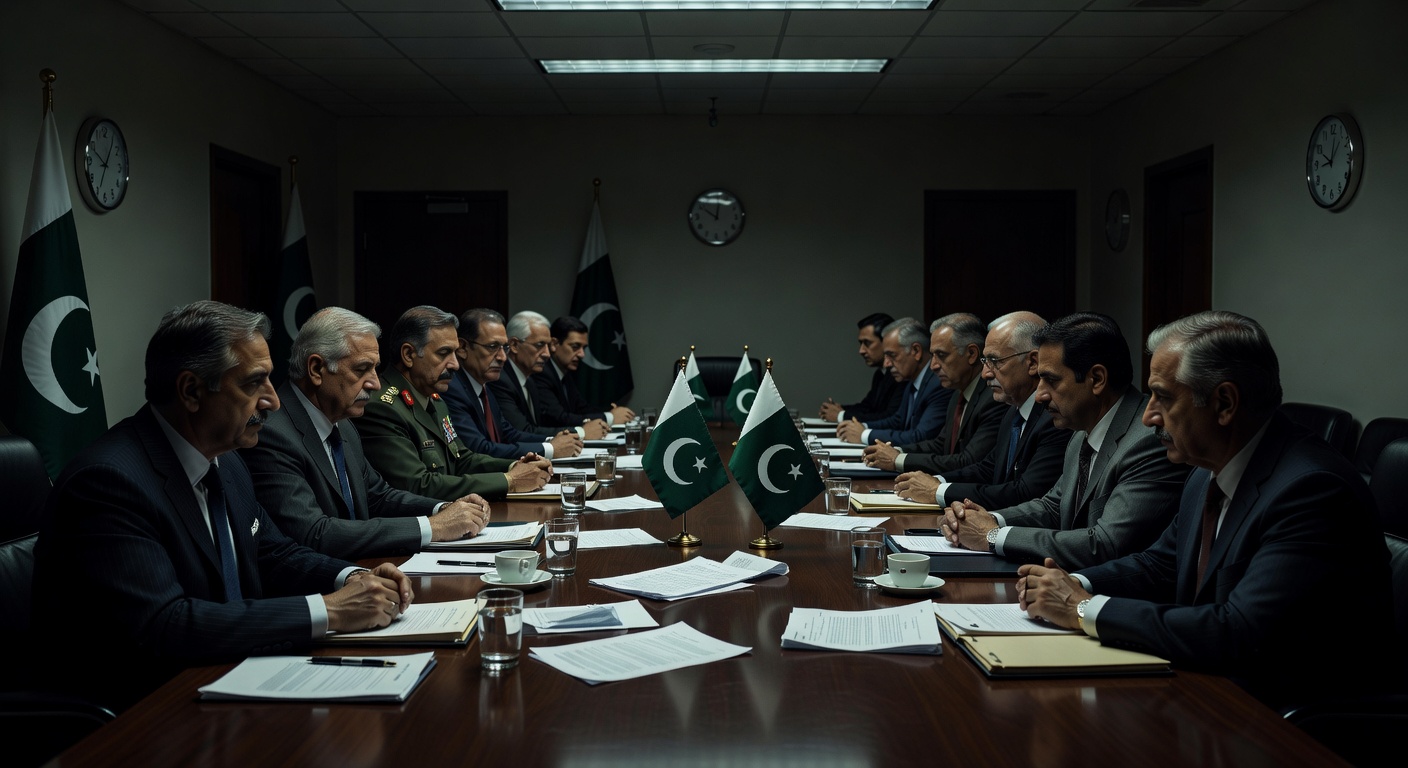
The U.S. delegation — Vance, Witkoff, and Kushner — met Iran’s Ghalibaf and Araghchi for 21 hours. Trump said the meeting “went well” and “most points were agreed to, but the only point that really mattered, NUCLEAR, was not.”
Trump Iran Talks Collapse — The Nuclear Red Line
Vance stated: “We need an affirmative commitment that they will not seek a nuclear weapon.” Iran’s Press TV reported talks stalled on Hormuz control and Tehran’s right to peaceful nuclear energy.
U.S. position: “Nuclear is the only point that matters.”
Iran’s position: “Peaceful nuclear energy is a sovereign right. Non-negotiable.”
Reality: The same deadlock occurred in February’s Swiss talks. Six weeks of war changed nothing.
Hormuz Control — Iran’s Last Card
Iran used the Strait as wartime leverage. Friendly nations pass; adversaries are blocked. Tolls collected in Chinese yuan. Trump called this “illegal extortion” and declared “all or none.”
Trump Iran Talks Collapse — The Hormuz Blockade Reversal
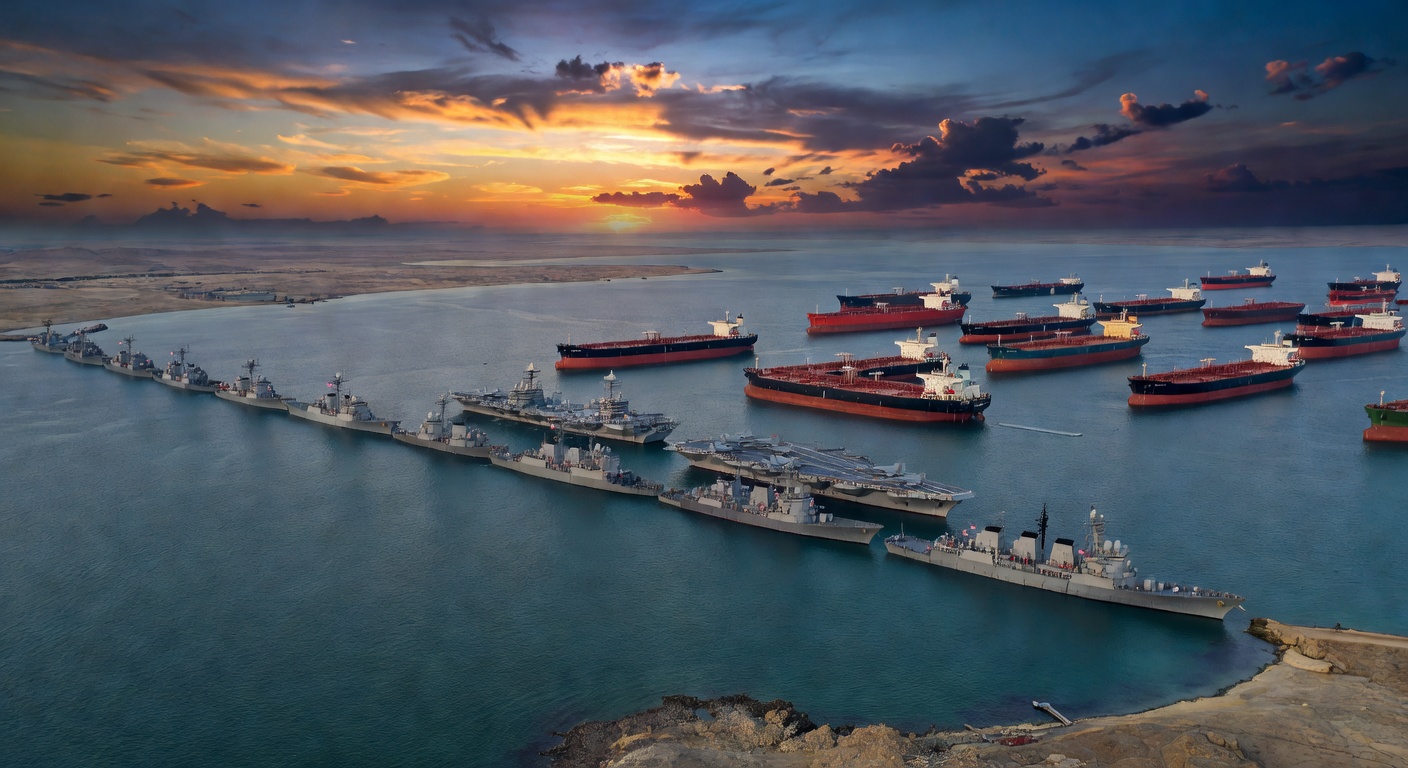
Hours after the collapse, Trump declared: “Effective immediately, the U.S. Navy will begin BLOCKADING all ships entering or leaving the Strait of Hormuz.” Ships that paid tolls to Iran would be intercepted. On Fox News: “complete blockade — all or none.”
This flips Iran’s Hormuz card. Iran maintained “selective passage.” Trump changed the rules to “nobody passes.” The goal: seize physical control of the Strait itself.
Trump Iran Talks Collapse — Reshaping the Global Energy Order
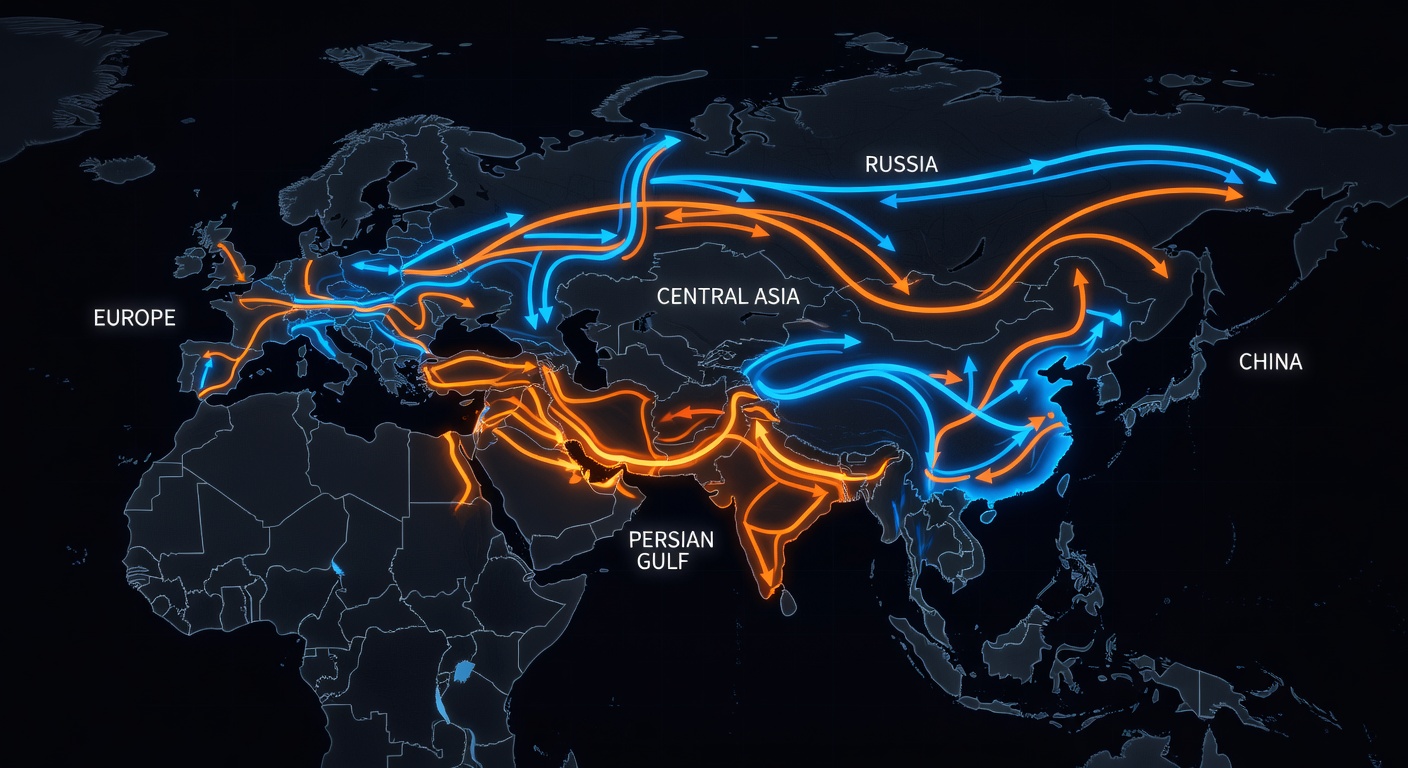
A complete Hormuz blockade doesn’t only hit Iran. Before the war, 20% of the world’s oil passed through the Strait. Who fills that gap reshapes the global energy map.
Russia’s Opportunity — A Path Back to Western Markets
If Hormuz closes, a severe gap opens in global supply. Saudi and UAE bypass routes exist but can’t replace the full volume. If Russia increases production, Trump gains justification to ease sanctions — under “global energy security.”
China’s Dilemma — When Cheap Iranian Oil Disappears
China buys over 90% of Iran’s oil at deep discounts. A Hormuz shutdown cuts off this supply. China becomes more dependent on Russian oil at higher global prices.
Trump Iran Talks Collapse and Russia-China Structural Shift
When economic circumstances change, national interests follow. Russia aligns with China because sanctions leave no alternative. If Western markets reopen, the incentive to sell discounted oil to China disappears.
The Russia-China “unlimited partnership” is a partnership of convenience. When Russia’s economic environment changes, the adhesive weakens naturally. National interests simply diverge.
Trump Iran Talks Collapse — Three Scenarios After April 22

The 14-day ceasefire expires April 22. Neither side has indicated what happens after.
Scenario A — European Mediation (25%): Araghchi signaled willingness to engage Europeans. A JCPOA-style framework could emerge. Oil stabilizes around $90.
Scenario B — Blockade Continues, War Frozen (45%): Naval blockade persists. Diplomatic deadlock drags on. Iran’s economy deteriorates. Oil at $100-110.
Scenario C — War Resumes (30%): Israel strikes Iranian nuclear facilities. CNN reports preparations are underway. Oil surges past $120.
Outlook — Trump’s Real Game
The Trump Iran talks collapse is not “failure” but “transition.” Islamabad was the opening act. The Hormuz blockade is the main event. Trump flipped Iran’s card into America’s blockade.
Three variables matter. First, whether China and India comply. Second, whether U.S. politics can absorb oil shocks before the 2026 midterms. Third, whether Netanyahu acts unilaterally.
For China’s oil leverage analysis, see Is China the Real Winner? For the ceasefire dispute, see Three Agreements, Seven Disputes.
FAQ — Frequently Asked Questions
Q: What caused the Trump Iran talks collapse?
A: Iran refused to abandon nuclear enrichment. Vance said the U.S. needs “an affirmative commitment.” Iran maintained it’s a sovereign right. The same deadlock occurred in February.
Q: Is the Hormuz blockade enforceable?
A: The U.S. Navy can physically enforce it. But it also affects Iraq, Kuwait, Qatar, and UAE exports. Allied coordination is essential.
Q: What happens to oil prices?
A: A complete blockade could remove 20% of global supply. Bloomberg expects oil and fuel shortages to worsen. Prices could exceed $100-120.
Q: Is Iran pursuing European talks?
A: Yes. Araghchi signaled engagement with Berlin, Paris, and London. A multilateral framework could emerge.
Q: Will war resume after April 22?
A: The risk is significant. Trump warned “LOCKED AND LOADED.” Iran pledged to continue defense efforts. Israel may act independently.