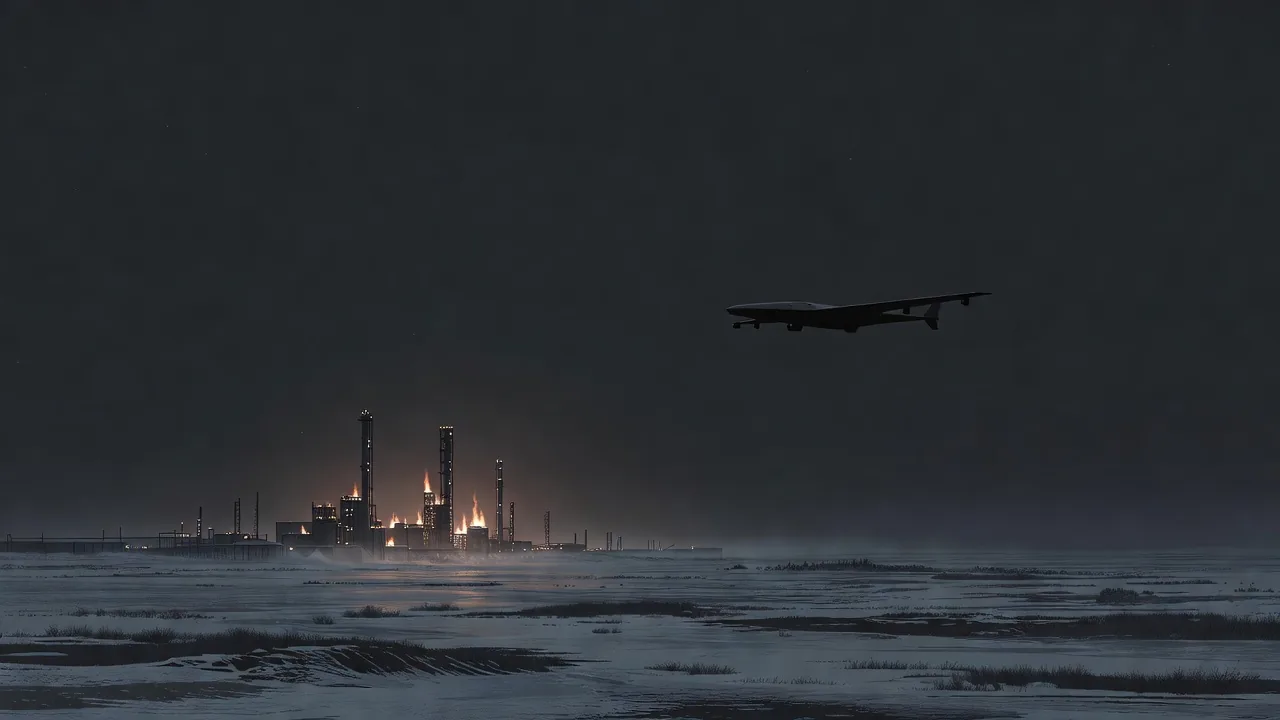
The 2026 Ukraine-Russia war is shifting its center of gravity from “trench warfare” to “long-range strike warfare.” While Russian forces continue limited advances in the Donbas, Ukraine is repeatedly striking oil refineries and rear-area logistics deep inside Russia with cheap long-range drones, pushing the costs of war back into Russian territory. As a result, fuel supply disruptions and rising prices—essentially a “rear-area fuel crisis”—are becoming increasingly visible inside Russia.
Recent Trends Over the Past Month (May–June 2026)
From late May into early June, Ukrainian drones successively struck energy facilities, including an oil terminal near St. Petersburg. During the same period, the U.S. House passed legislation on sanctions against Russia and aid to Ukraine, while military and financial support from the West, including Europe, continued. Russia responded with threatening rhetoric aimed at Kyiv, but there was little change along the actual front lines. In other words, while the “front line on the map” remains frozen, the “rear-area front” is rapidly evolving into an asymmetric contest.
Changing Character of the War — The Center of Gravity in a War of Attrition
The heart of this war is no longer measured in “how many kilometers have been gained.” Ukraine has chosen an asymmetric war of attrition, using drones that cost only hundreds of dollars to degrade Russian assets worth millions (refineries, logistics hubs, and air-defense radars). Russia’s fuel crisis is not merely an inconvenience; it is a variable that simultaneously affects war-fighting capacity, inflation, and domestic public opinion. Conversely, Russia has repeatedly sought to “weaponize winter” by massing missiles and drones against Ukraine’s power grid and cities.
Outlook and Implications for Korea
In the short term, a war of attrition and negotiation pressure is likely to continue without a decisive breakthrough. For Korea, the effects come through two channels: one is the inflationary path via energy and grain prices; the other is the opportunity path through defense-industry demand and post-war reconstruction. While the prolongation of the war clearly carries risks, it also presents a dual nature—opening new export avenues for Korean defense, infrastructure, and plant companies.
Frequently Asked Questions
Q. How serious is Russia’s fuel crisis?
Accumulated strikes on Russian refineries have led to reported supply disruptions and price increases in some regions. Unlike the stalemate on the front lines, pressure on the rear-area economy continues to grow.
Q. Will the war end soon?
There are currently few short-term signals of an imminent end. Both sides appear to be in attrition mode, waiting for the opponent’s endurance to break first rather than pursuing negotiations.
Personally, I see the turning point of this war as a contest between whether drones and sanctions break Russia’s endurance first or whether Western support fatigue arrives first. Rather than the map of the front lines, what matters is the “staying power” of both sides’ rear areas.