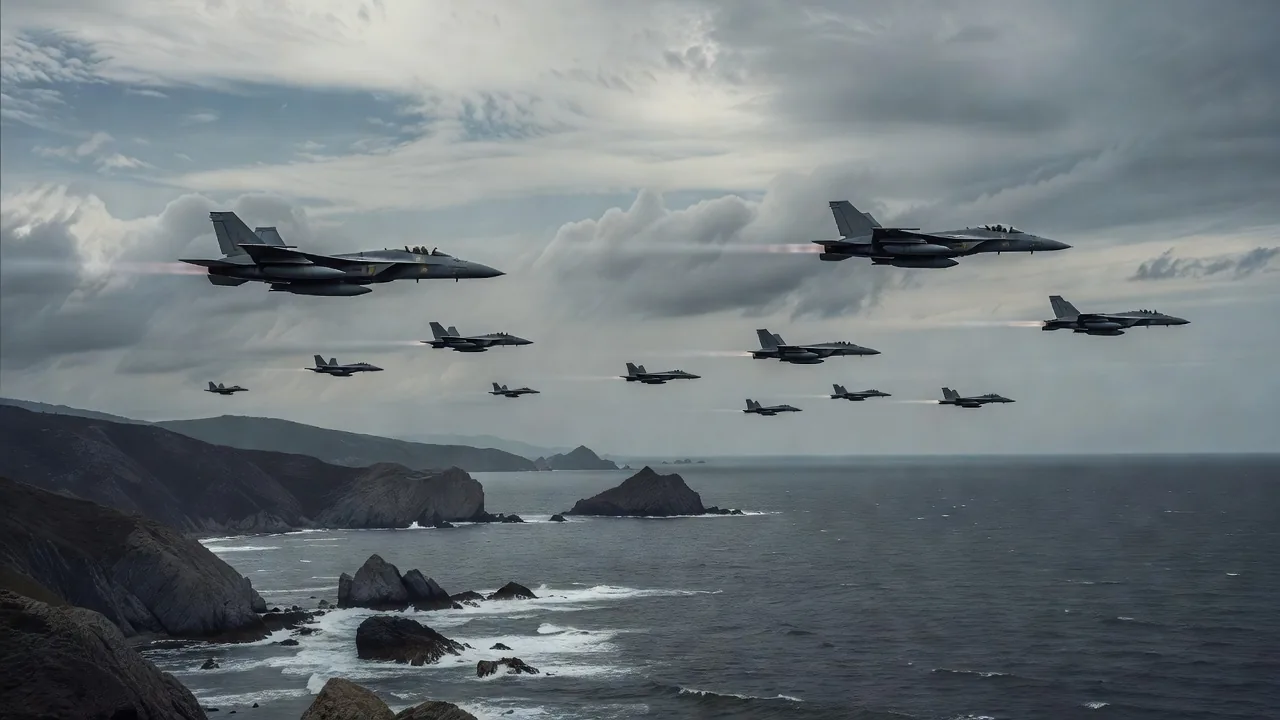
The tensions in the Taiwan Strait remain in a gray zone—not quite “war,” but not “peacetime” either. The Chinese military sends an average of over 200 aircraft per month into Taiwan’s Air Defense Identification Zone (ADIZ), while coast-guard vessels repeatedly intrude near Kinmen (金門) and Dongsha (東沙), maintaining constant pressure. Taiwan, in response, is intensifying defense drills and raising its alert posture.
Recent Developments (May–June 2026)
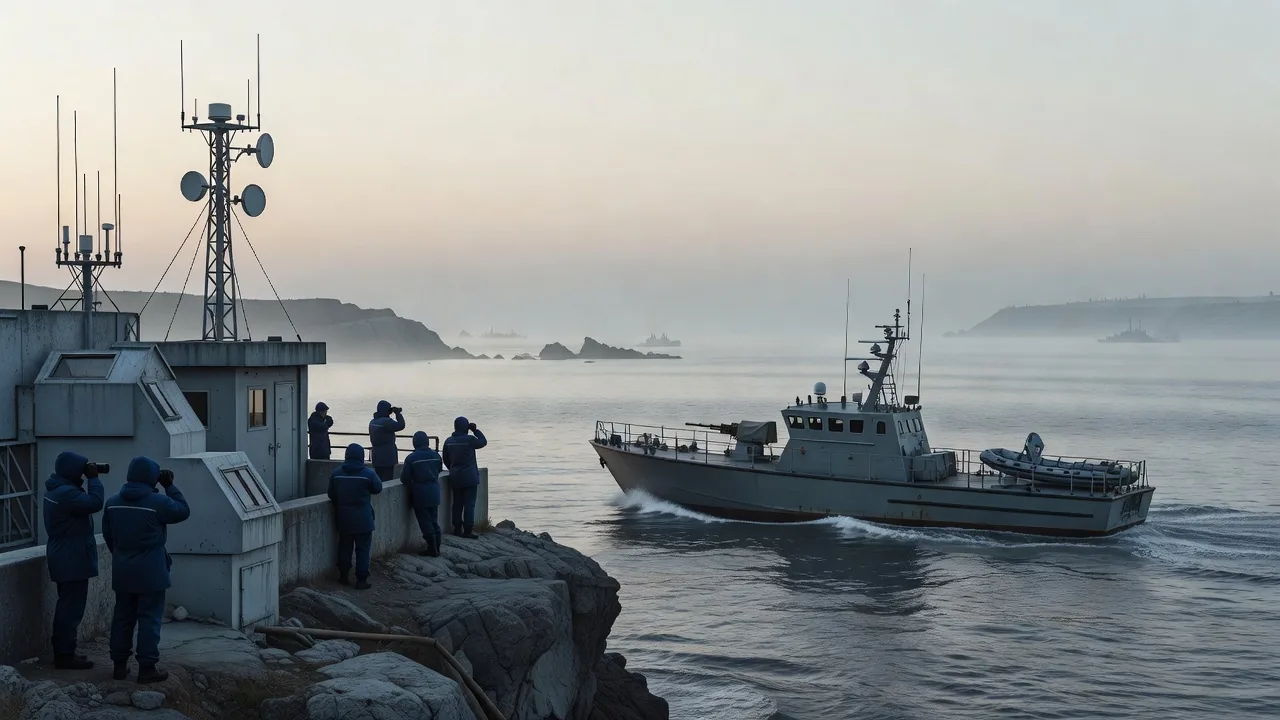
In May, the number of ADIZ incursions rose slightly, and Chinese coast-guard vessels engaged in a roughly 20-hour standoff near the Dongsha Islands. At the same time, naval vessels from third countries such as Canada and the Netherlands transited the strait, demonstrating “freedom of navigation.” In short, China’s gray-zone pressure and Western countermeasures are both intensifying.
The Core of the Gray-Zone Strategy
China’s goal is not a single, decisive invasion but the gradual exhaustion of Taiwan’s defense resources through daily pressure, thereby slowly cementing a change in the status quo. Every sortie forces Taiwan to scramble interceptors, and the cumulative fatigue and cost become strategic gains for Beijing—seizing incremental control without crossing the threshold of open conflict.
Why the World Is Watching the Taiwan Strait
The Taiwan Strait is not merely a cross-strait issue; it is a critical node in global supply chains. The vast majority of the world’s advanced semiconductors are produced in Taiwan, and a significant share of East Asian trade passes through these waters. Any blockade or clash would immediately ripple through the semiconductor, electronics, and automotive industries worldwide. This strategic weight explains both Washington’s sensitivity to Taiwan’s defense and Beijing’s designation of the issue as a “core interest.”
Outlook and Implications for Korea
While the likelihood of full-scale conflict remains low in the near term, the risk of an accidental clash escalating into a crisis persists. For Korea the Taiwan Strait is not “someone else’s problem.” A substantial portion of Korea’s import-export cargo and semiconductor supply chains depends on the strait and its surrounding sea lanes. Stability in the Taiwan Strait is therefore a prerequisite for Korea’s economic and security interests.
Frequently Asked Questions
Q. What is gray-zone pressure?
It is a strategy of continuously pressuring an opponent through military aircraft and vessel incursions, cyber operations, and information campaigns—without declaring war—in order to alter the status quo while staying below the threshold of open conflict.
Q. How likely is war in the short term?
The probability of all-out war is assessed as low. The real variable is the danger that an accidental clash amid routine confrontations could spiral out of control.
Personally, I believe the real danger in the Taiwan Strait lies less in a “planned invasion” than in an “unmanaged accidental collision.” The more daily sorties accumulate, the greater the chance that a single miscalculation could ignite a larger conflict.