The Sahel region in West Africa has become one of the world’s fastest-deteriorating conflict zones in 2026. In Mali and other Sahel states, al-Qaeda-affiliated JNIM, the Islamic State in the Sahel Province (ISSP), and Tuareg separatist forces are mounting large-scale offensives against military juntas and Russian mercenaries, directly threatening regime security.
Recent Developments (April–May 2026)
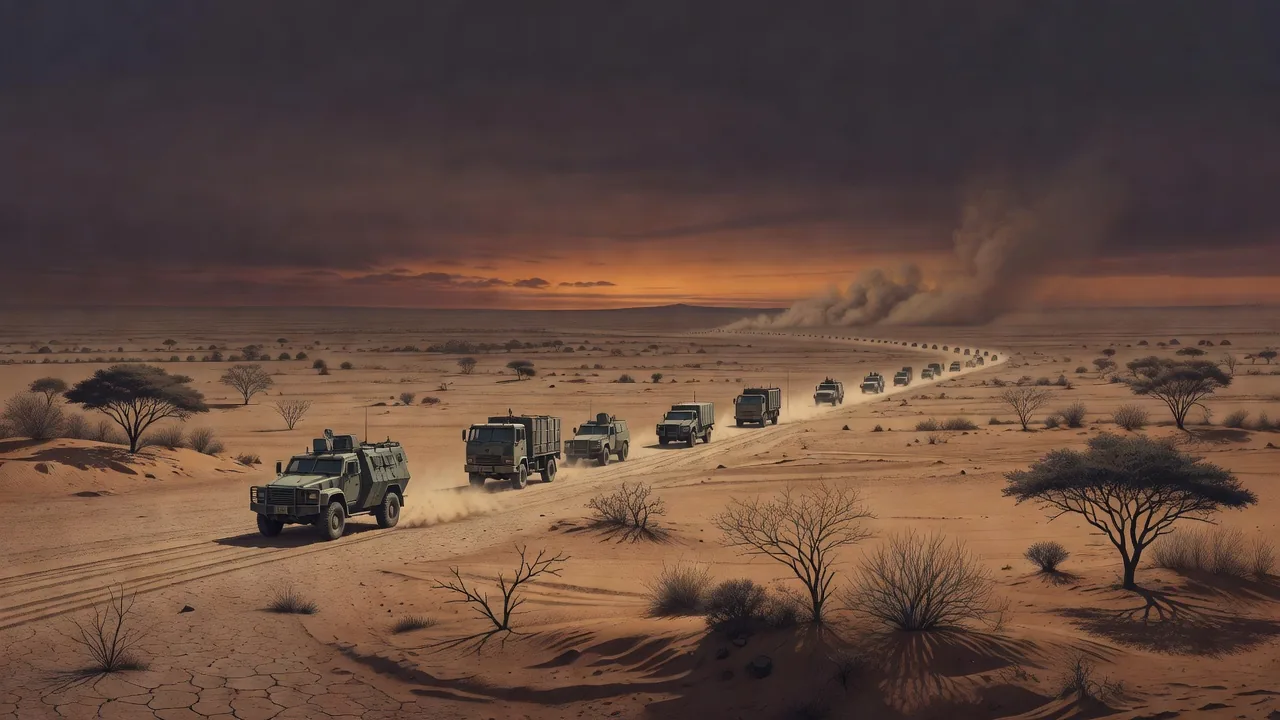
In late April, Mali suffered a wave of coordinated nationwide attacks that killed the defense minister and prompted reports of Russian mercenaries withdrawing from certain areas. The threat has since spread to neighboring Burkina Faso and Niger. The military regimes’ promised “restoration of security” now appears to be unraveling.
Why Military Rule and Mercenaries Are Failing
After successive coups, Sahel juntas expelled French and other Western forces and invited in Russian mercenaries (the Africa Corps and similar groups). Yet the results have fallen short. While mercenaries can hold isolated outposts, they have been unable to clear vast desert and rural areas where armed groups are deeply entrenched. Purely military responses without restoring political legitimacy or improving daily life have proven insufficient to change the underlying drivers of conflict.
International Implications and Relevance for Korea
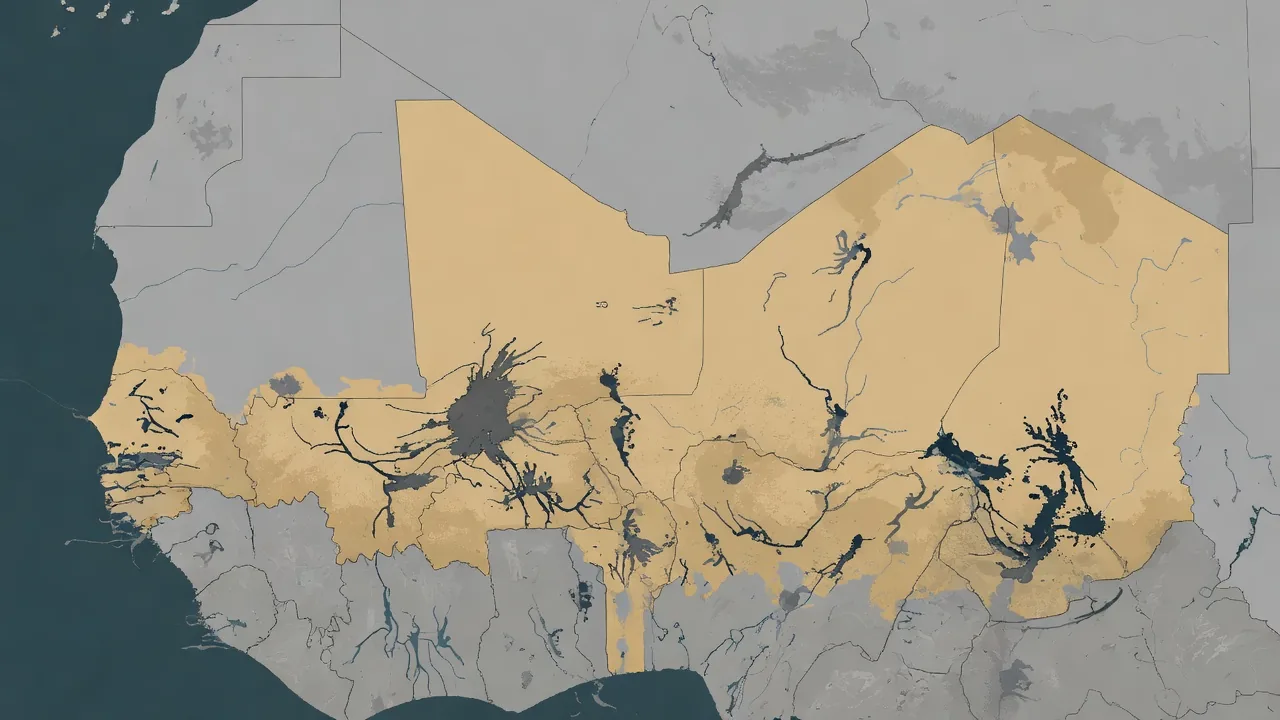
Instability in the Sahel extends far beyond the region. As refugees and armed groups are pushed toward North and West African coasts, migration pressure on Europe is rising and supplies of gold, uranium, and other resources are at risk. While the direct security impact on Korea remains limited, the situation warrants attention for supply-chain diversification and risk management for Korean firms operating in Africa.
Outlook
A short-term return to stability in the Sahel looks unlikely. As long as military responses and governance failures reinforce each other, armed groups will continue to expand their operating space. The fundamental challenge is not merely “fighting terrorism” but rebuilding functional states.
Why External Intervention Has Declined
Western powers, led by France, once maintained a sizable military presence in the Sahel. Most withdrew amid the juntas’ anti-Western stance and the influx of Russian mercenaries. Those mercenaries have not delivered the expected results, leaving the Sahel without effective external stabilization efforts. While international attention remains focused on Ukraine and the Middle East, the Sahel crisis has deepened largely unnoticed.
Frequently Asked Questions
Q. Why is the Sahel called the “coup belt”?
Because military coups have occurred in rapid succession in Mali, Burkina Faso, and Niger in recent years. Public frustration over security failures provided the justification for regime change.
Q. Have Russian mercenaries been effective?
They have helped defend certain strongholds but have failed to defeat widely dispersed armed groups. In some areas, signs of withdrawal have already appeared.
Ultimately, the core of the Sahel crisis is not guns but the absence of the state. Armed groups fill the vacuum where administration and basic services do not reach; military victories alone will not bring lasting peace.