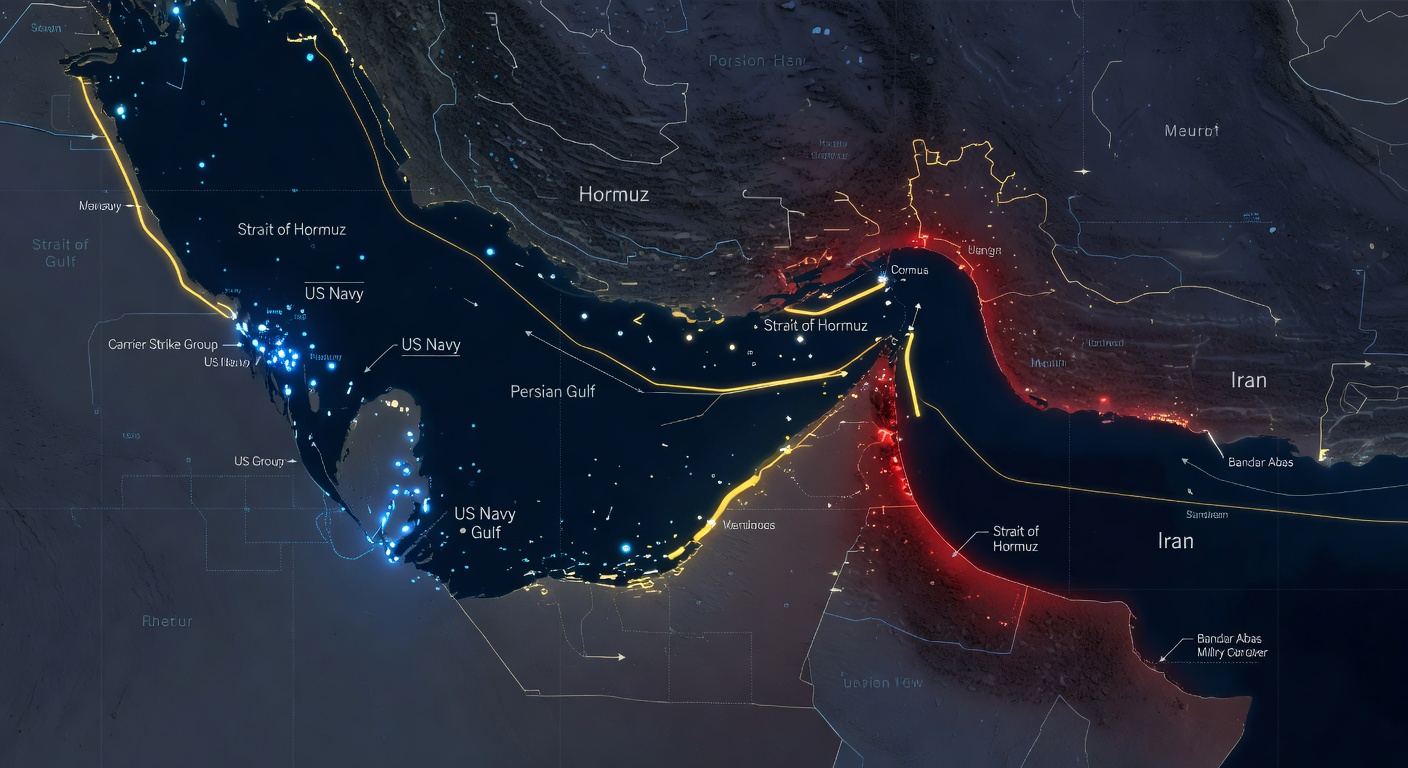
Project Freedom Hormuz — on May 4, 2026, US Central Command (CENTCOM) launched military operation Project Freedom to restore freedom of navigation through the Strait of Hormuz. Guided-missile destroyers, over 100 aircraft, and 15,000 service members were deployed. On the same day, a Korean HMM cargo ship suffered an engine room explosion, a UAE ADNOC tanker was struck by two Iranian drones, and Iran claimed to have hit a US warship — immediately denied by CENTCOM. As the US opened the strait, Iran simultaneously struck ships from three nations. Behind this chaos, what may be unfolding is a transformation of global energy hegemony itself.
- May 4: CENTCOM launches Project Freedom — 15,000 troops, 100+ aircraft, guided-missile destroyers
- Korean HMM Namu cargo ship engine room explosion — 24 crew, no casualties
- UAE ADNOC Barakah tanker struck by 2 Iranian drones — UAE condemns as terrorist attack
- US forces sink 6 Iranian small boats + 2 US merchant ships transit safely
- Iran exports down 67%, IEA largest supply loss in history — Galibaf’s $140 is bluster
- Trump urges South Korea to join Project Freedom
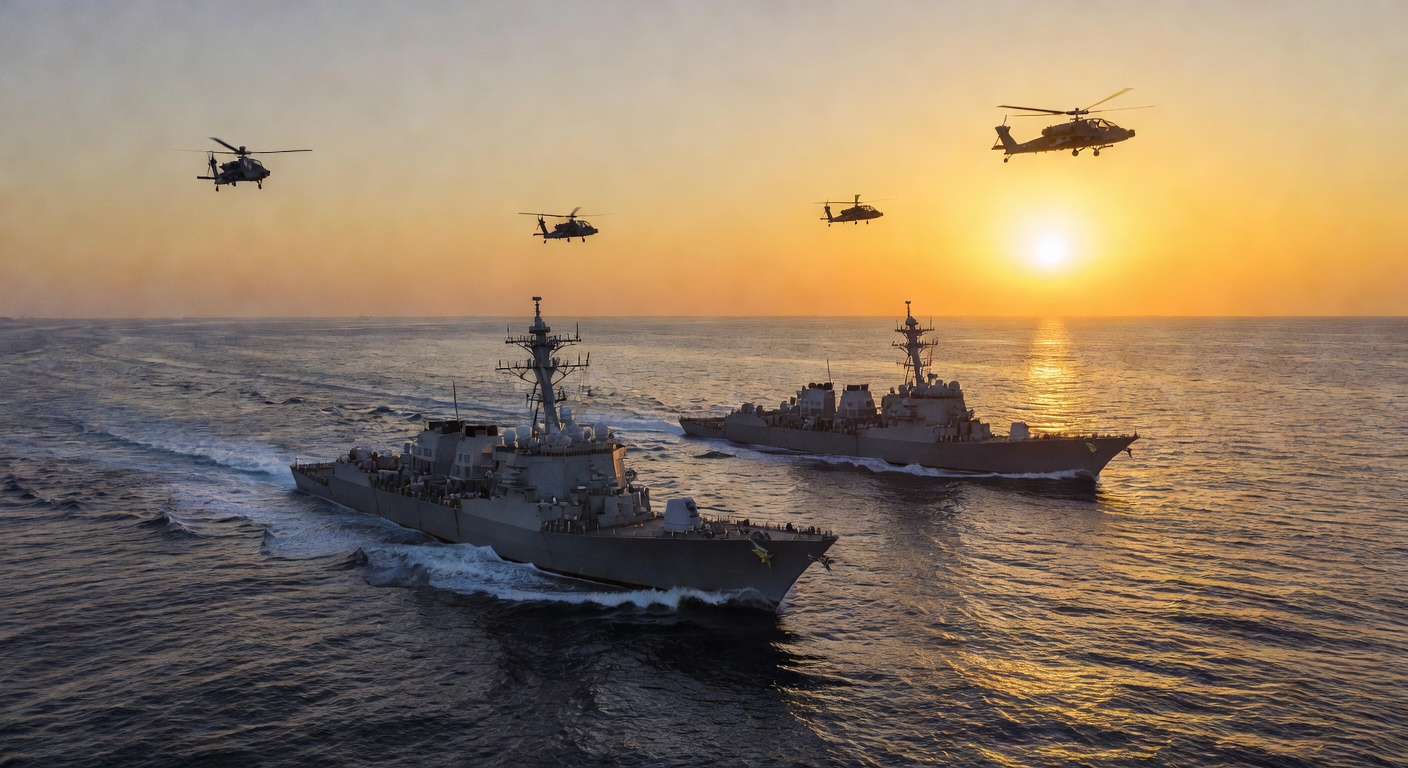
Project Freedom Hormuz — CENTCOM Operation Overview
Trump’s Announcement and Force Structure
On May 3, Trump announced countries worldwide had asked the US to help free ships trapped in the strait. CENTCOM deployed Arleigh Burke-class destroyers, 100+ aircraft, multi-domain unmanned platforms, and 15,000 service members.
MFC combines diplomatic coordination, military operations, and sanctions enforcement. The State Department cable described it as the first step in establishing post-conflict maritime security architecture. Russia, China, Belarus, and Cuba are excluded.
Day One — 6 Iranian Small Boats Sunk
Admiral Cooper stated Iran historically deployed 20-40 small boats. On day one, only six appeared and all were eliminated by Apache helicopters and Sea Hawks. Two US merchant vessels and one Maersk ship transited safely.
Three Nations’ Ships Hit Simultaneously
Korean HMM Namu — First Korean Vessel Damaged
At 8:40 PM KST May 4, an explosion occurred in the engine room of HMM Namu anchored near Umm Al Quwain. All 24 crew were unharmed. Trump claimed Iranian forces fired on the vessel and urged South Korea to join Project Freedom.
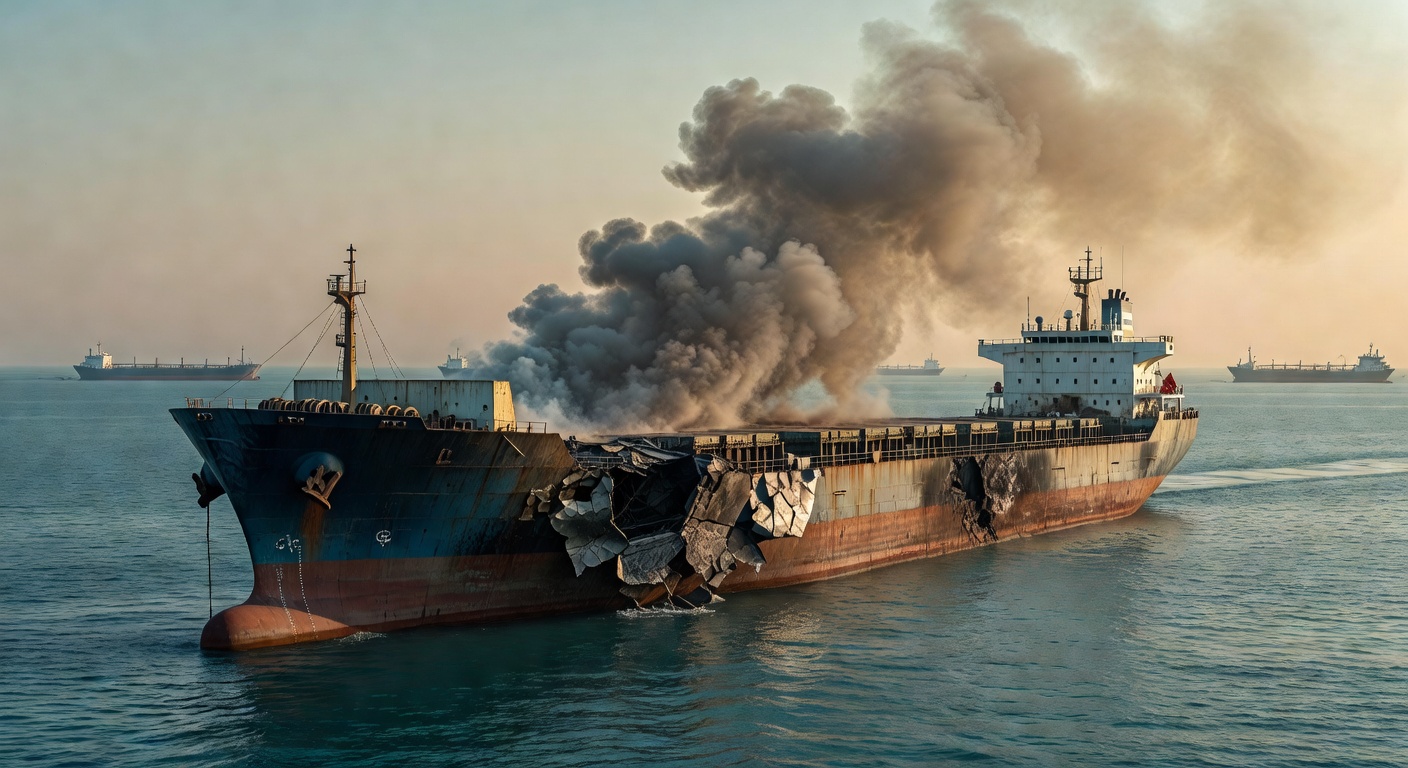
South Korea imports 70% of its oil through Hormuz. Repeatedly saying it is checking is not pragmatic diplomacy. MFC participation and clear freedom of navigation stance are immediately needed.
UAE ADNOC Barakah — Two Iranian Drones
ADNOC’s tanker was struck by two Iranian drones. UAE condemned it as a terrorist attack violating UNSC Resolution 2817. This attack pushes Arab states further from Iran.
Iran’s Claim vs CENTCOM Denial
Iran’s Fars News claimed two missiles hit a US vessel. CENTCOM called it propaganda and completely false. USS Truxtun and USS Mason transited through sustained barrage without damage.
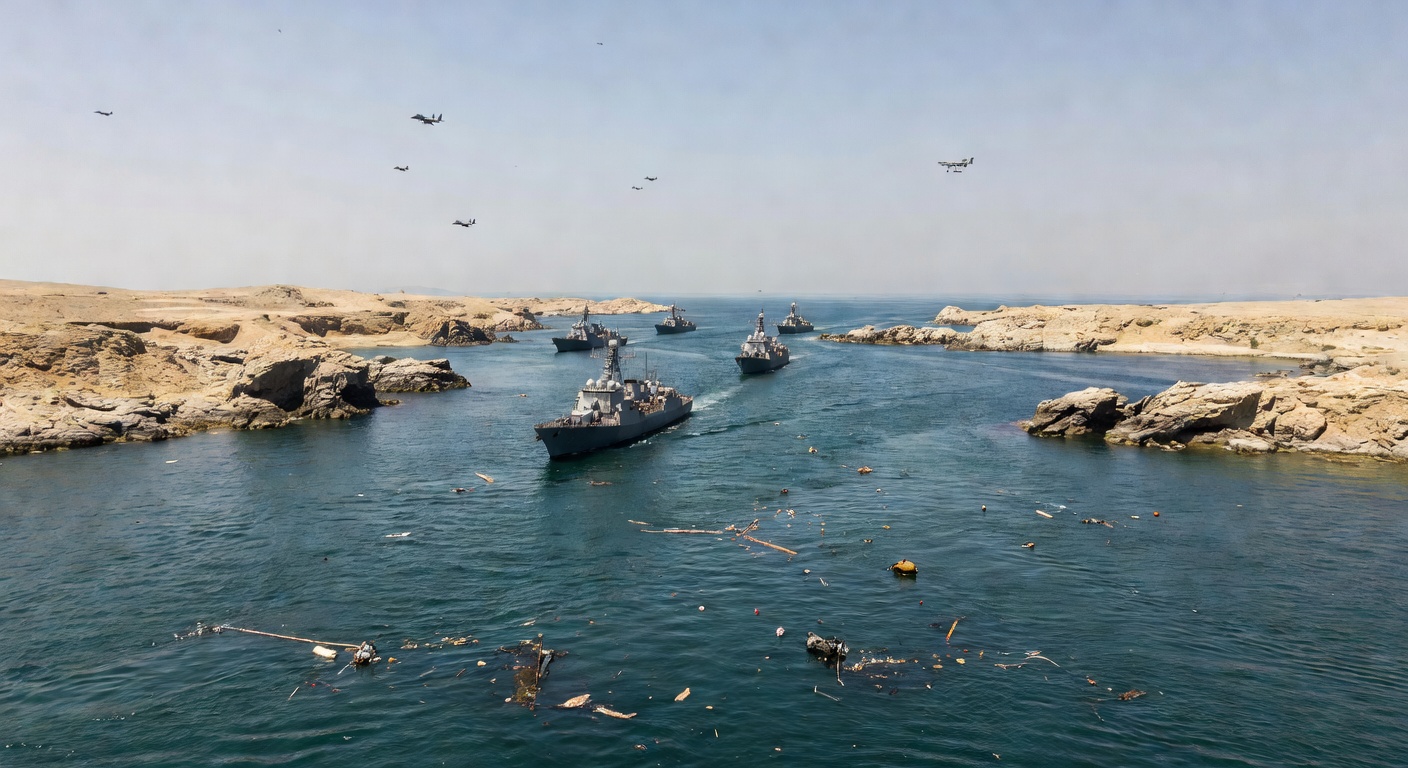
Iran’s Corner — An Illegitimate Regime
IRGC Warnings vs Reality
Iran deployed only 6 boats where it once sent 20-40, and all were sunk. Iran’s situation has definitively worsened. The theocratic regime is not a government for the people of Iran.
Trump told Congress hostilities had terminated. Two days later US forces sank 6 Iranian boats. This reflects strategic ambiguity — maintaining ceasefire while responding to provocations.
Market Impact
Galibaf’s Next Stop 140 — Bluster
Brent surged to $114.44 intraday, settling at $112.93. Galibaf’s claim is bluster. Iran exports down 67% to 567 kbd. Saudi Petroline at 7M bpd full capacity. Trump acknowledged short-term increases are unavoidable.
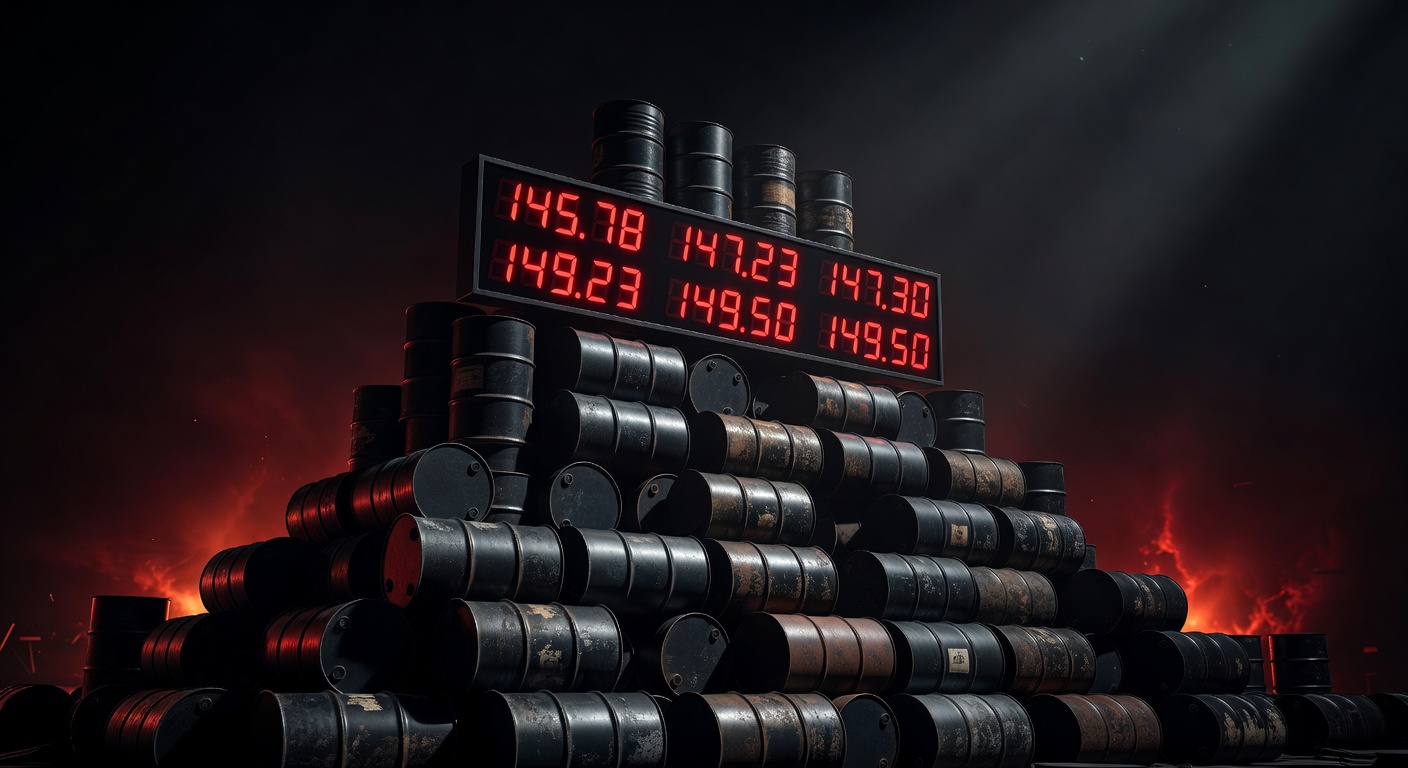
Iran exports 567 kbd (-67%). IEA supply loss 10.1M bpd (largest ever). 50+ vessels redirected. Saudi Petroline 7M bpd. US gasoline $4.457. War insurance 17-33x peacetime. Hormuz transits 9-13/day (normal 100-150).
Energy Hegemony Shift
Flipping Iran’s Last Card
The US blocks Iranian ports while guaranteeing neutral vessel passage. If successful, Hormuz control transfers from Iran to the US. Iran’s decades-long trump card is being turned against it. Strategically, the US has won.
Beyond Hormuz
Project Freedom and MFC explicitly design post-conflict maritime security architecture. Saudi, UAE, and Arab states distancing from Iran — all pieces of a post-Iran energy order. As Iran’s Hormuz card is neutralized, structural risk premium shrinks long-term.
Three Scenarios
Energy Hegemony Inflection Points
Transit increases under US escort. MFC gains support. Insurance resumes. Iran’s card neutralized. Oil falls to $90-100.
Iran launches major attack. Ceasefire collapses. Oil surges to $130-150. Paradoxically accelerates energy hegemony shift.
Sporadic attacks continue. Insurance stays high. Oil $105-120. Unlikely to persist beyond 6 months.
Analytical Limitations
Sources
Based on CENTCOM releases, CNN, Fox News, CBS, Breaking Defense, Reuters, Korean Foreign Ministry, UAE Foreign Ministry, Al Jazeera, Fars News. Cross-verified via Grok 4.3 and Claude web search.
FAQ
Two US ships and one Maersk vessel transited day one. But most shippers await insurance coverage. Current 9-13 transits vs normal 100-150.
Not confirmed. Trump claims Iranian attack; Korea says checking. First Korean vessel damaged in this crisis.
Galibaf’s bluster. Iran exports down 67%. Full confrontation could push $130-150 but medium-term stability possible.
Korea depends on Hormuz for 70% of oil. MFC participation and freedom of navigation stance needed immediately.