New York has frozen its rents. On June 26, 2026, the New York City Rent Guidelines Board (RGB) voted to hold rent increases at 0% for two years on roughly one million rent-stabilized apartments. It is the first back-to-back freeze in the board’s history. Newly elected Mayor Zohran Mamdani’s campaign slogan — “Freeze the rent” — became reality just six months into his term. For working-class tenants, it’s welcome news. And yet, watching this, I pictured a different scene: today’s tenants smile, but their children may one day weep in the worn-out back alleys of Harlem. Let me explain why, through the lens of economics.
What Happened — A Two-Year 0% Rent Freeze
First, the facts. The RGB approved 0% increases on both one- and two-year new leases by a 7-1 vote. It applies to about one million rent-stabilized apartments — roughly 27% of all housing in New York. It covers leases beginning between October 1, 2026 and September 30, 2027. Right after taking office in February, Mayor Mamdani filled six of the board’s nine seats with his own appointees, and that board delivered his pledge intact. On the morning of the vote, a member representing landlords resigned, saying the outcome “was already decided on the campaign trail last year.” Politics pressed directly on the price set by the market.
What Happens When You Cap Rents — Economics’ Oldest Answer
The consequences of capping a price below the market level are one of the oldest and most settled subjects in economics. The Swedish economist Assar Lindbeck once said that rent control is, in many cases, “the most efficient technique presently known to destroy a city — except for bombing.” A blunt line, but there is a cold mechanism behind it.
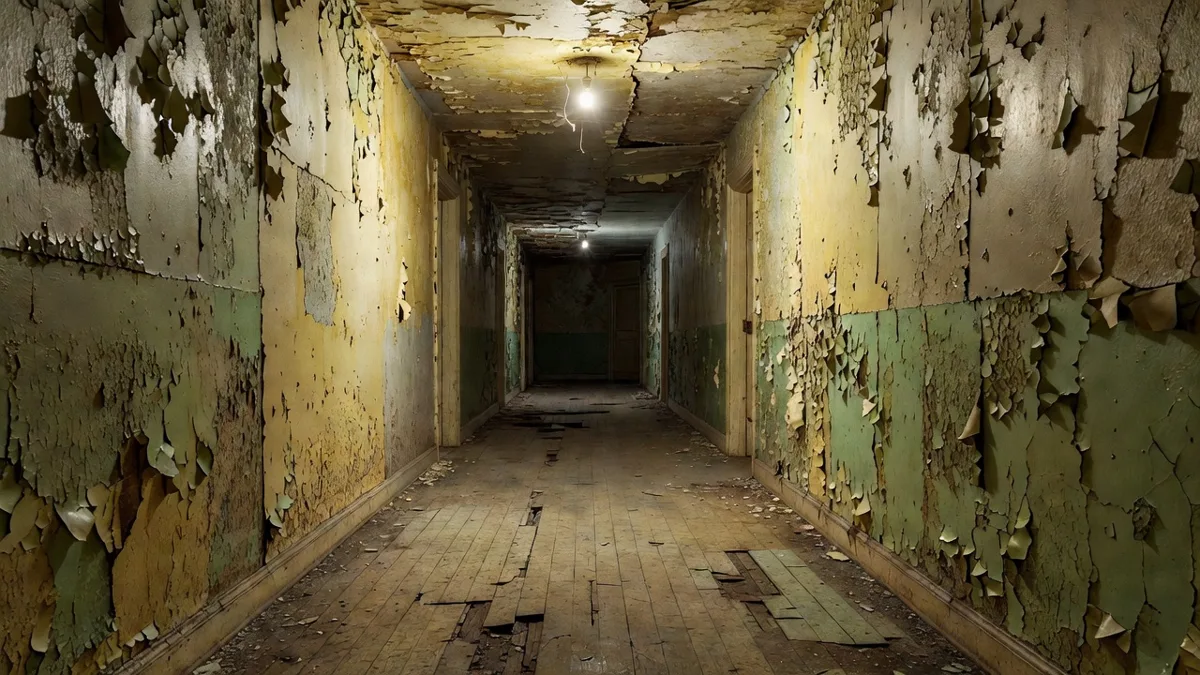
Here is the core. Rent is frozen at 0%, but the costs the landlord bears — property tax, insurance, labor, materials, heating and water — keep rising with inflation. Income fixed, costs climbing. The wider that gap grows, the more obvious the landlord’s remaining choice becomes: defer maintenance. Don’t fix the leaking roof, don’t replace the old boiler, don’t repaint the hallway. Why? Fixing it earns no extra rent, and not fixing it won’t drive tenants away. The building becomes not an “asset” but a “burden,” and no owner pours affection into a burden. The same goes for street cleaning, landscaping, and security. This is the first gear in how a rent freeze turns into “street-level slumification.”
The Evidence Already Exists — San Francisco and 1970s New York
This isn’t just theory. There is real data. A famous Stanford study of San Francisco’s 1994 rent-control expansion found that affected landlords cut rental housing supply by 15% — converting apartments to condos, demolishing and rebuilding, or pulling them off the market entirely. As a result, citywide rents actually rose about 7%, evictions increased, and a wave of high-end redevelopment deepened gentrification and inequality. A policy meant to protect tenants ended up shrinking the housing they could live in and making the city more expensive.
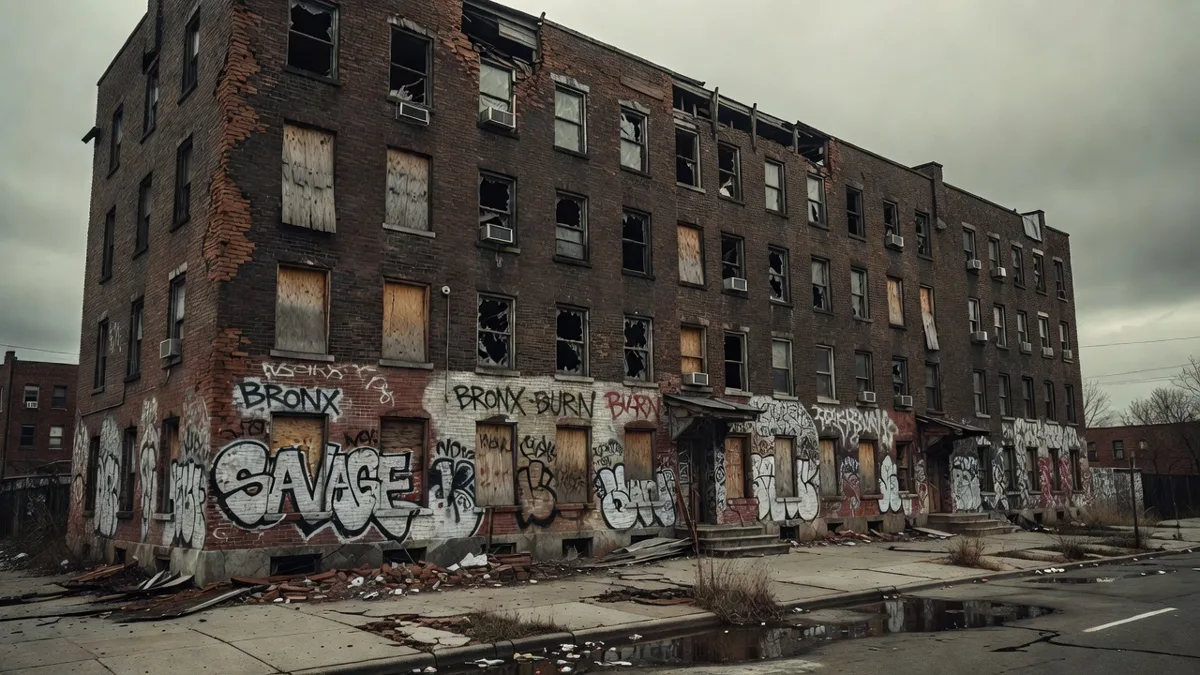
The more painful case belongs to New York itself. In the 1970s, under strict rent control, landlords began simply “abandoning” buildings that no longer turned a profit. They let unmaintainable buildings rot, stopped paying taxes, and walked away. Across the South Bronx and Harlem, buildings emptied, crumbled, and burned. The phrase “The Bronx is burning” was born then. The “back alleys of Harlem” I sketched at the start aren’t imagination — they’re a road New York has already walked once.
Good intentions are most dangerous when they push the cost into the future. The benefit of a rent freeze goes to today’s tenant instantly, but its cost — neglected buildings, shrunken supply, slum-ridden streets — is paid years later by the next generation. Economics always asks: “So who pays that cost, and when?”
Why “Street Slumification” Is a Scheduled Outcome
I see New York’s slumification not as a “possibility” but as a “scheduled path.” The reason is simple arithmetic. Say inflation runs 3% a year. With rents frozen at 0% for two years, the landlord’s real income is cut by nearly 6% in two years. Meanwhile the building ages every year. Pipes corrode, elevators break, façades crack. An owner whose real income is falling has no reason to pour money into an aging building. The more rational the landlord, the more they cut maintenance. Not because landlords are evil, but because the system was designed to make them behave this way.
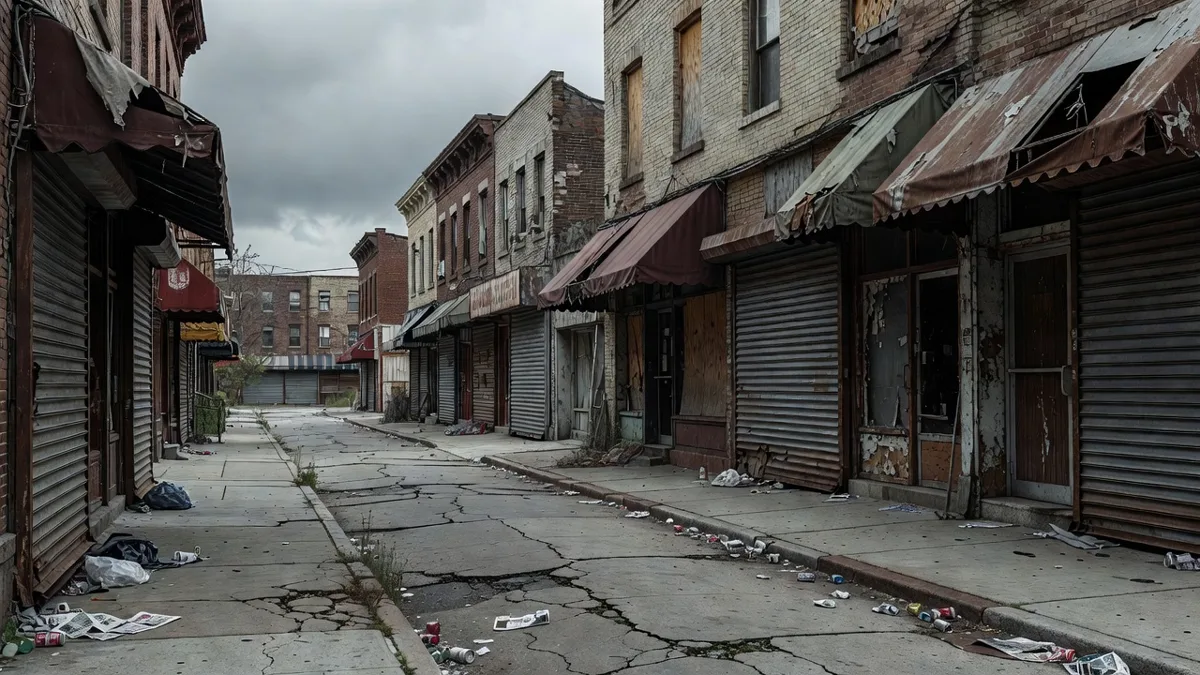
The result piles up invisibly but surely. First the hallway bulb goes out, then the lobby gets grimy, then the heating turns weak. Tenants who can afford to leave quietly do, and the remaining building ages faster. A street of aging buildings loses its commerce, and dead commerce erodes public safety. Urban decline doesn’t arrive like a bomb. It comes very slowly, like paint peeling. That’s what makes it frightening. In the end, landlords will no longer clean the streets or repair the buildings for New York. The sum of that indifference becomes the face of the city.
Still — We Must Hear the Other Side
That said, I don’t want to tell only one side. There are real arguments for the freeze. First, New York’s rents are genuinely brutal. Countless households pay more than half their income in rent, and people really are pushed out by relentless annual increases. A freeze gives them breathing room — “this year, I won’t be evicted.” Second, this measure applies only to rent-stabilized units (about 27%), not all housing. It didn’t freeze the entire market. Third, landlords don’t only lose right away — factoring in years of accumulated increases and rising asset values, some argue a year or two of freeze won’t bankrupt them overnight.
These counterarguments deserve serious weight. The cause of “protecting people about to end up on the street” is never light. But here is my answer. The problem isn’t that the freeze is the “wrong goal” — it’s the “wrong tool.” Protecting working people is the right goal. But forcibly pressing the price down eats away at the very housing those people need. When you try to reach a good goal with a bad tool, the price always falls on the weakest.
The Real Fix — Don’t Cap the Price, Release the Supply
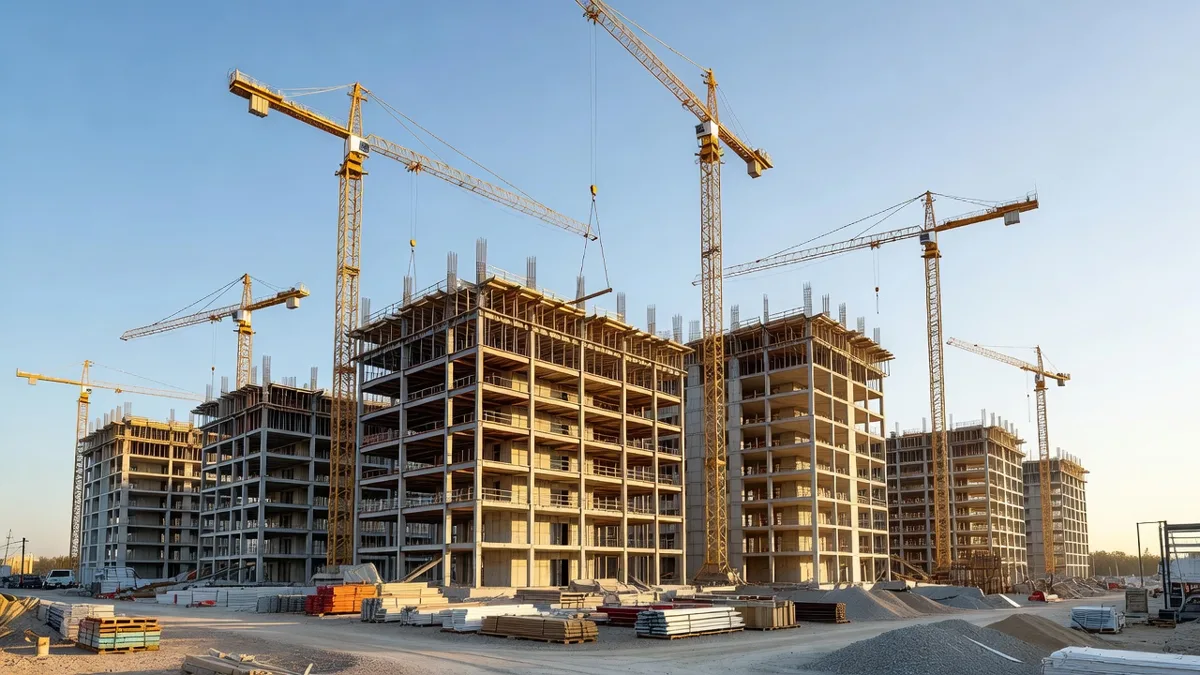
So what should be done? There’s a surprisingly broad consensus among economists, left and right. Two things. First, release supply. The root cause of expensive rent is a shortage of housing. Loosen zoning, lower permitting barriers, and let more get built, and prices fall. Instead of forcing the price down, raise supply and let it fall naturally. Second, help people directly. Rather than controlling the price of housing itself, give housing vouchers and subsidies straight to the households that truly need them. This protects tenants without killing the landlord’s incentive to maintain.
In short: not “price control” but “supply expansion + targeted subsidy.” This isn’t an ideological question but a question of tool choice. Mamdani’s freeze is politically fiery and immediate, but economically it reaches for the oldest and most dangerous tool on the shelf. Maybe not quite pouring gasoline on a fire instead of water — but it’s clearly not water.
Korea Is No Exception
This isn’t a distant story from across the Pacific. Korea ran a similar experiment in 2020 with its “three housing lease laws” (the right to renew and the cap on rent and deposit increases). It started from the good intention of protecting tenants, but many pointed out that jeonse listings plunged right after implementation and jeonse prices actually jumped. It’s the same mechanism as New York — put a lid on the price and supply hides. This pattern, where well-meaning policy produces the opposite of its intent, respects no border between countries or cities.
My Conclusion — When Good Intentions Break a City
Let me sum up. Mamdani’s rent freeze is a clear gift to today’s tenants. I don’t doubt the good intention. But the evidence economics has piled up over half a century points one way — a price held below the market cuts supply, kills maintenance, and ultimately ages the city. New York walked this road once in the 1970s, and San Francisco paid the same price. So I see New York’s “street slumification” not as a vague worry but as a scheduled bill. It’s just that the bill takes a few years to arrive.
Of course, this ending isn’t 100% locked in. If Mamdani’s city hall pairs the freeze “simultaneously” with a massive expansion of supply and maintenance support, the pace of the collapse can be slowed. But if it only presses the price and never releases supply, New York’s glory will fade slowly but surely. Urban decline always comes wrapped in good intentions, quietly, like peeling paint. If the grandchildren of today’s smiling tenants are not to weep in worn-out hallways, New York must fix supply, not price. The answer economics gives is unpopular — but clear.
Frequently Asked Questions (FAQ)
On June 26, 2026, the NYC Rent Guidelines Board voted 7-1 to hold rent increases at 0% for two years on about one million rent-stabilized apartments (roughly 27% of all housing). It’s the board’s first back-to-back freeze, applying to new leases from October 2026 to September 2027. It was Mayor Mamdani’s signature campaign pledge.
Because rent is frozen at 0% while property tax, insurance, labor, and materials keep rising. Income is fixed and costs climb, so landlords cut maintenance. Buildings age, tenants who can afford to leave do, and street commerce and safety erode in a chain reaction. Stanford’s San Francisco study and 1970s New York (“the Bronx is burning”) are real examples.
The goal is right; the tool is the problem. Forcing prices down shrinks the very housing (supply) tenants need. Economics offers two alternatives: (1) loosen zoning and streamline permitting to raise supply and lower prices naturally, and (2) give housing vouchers and subsidies directly to the households that truly need them. That protects tenants without killing the incentive to maintain.
Yes. Korea ran a similar experiment in 2020 with its housing lease laws (including a cap on rent increases), and critics noted a drop in jeonse listings and a jump in prices right after. The mechanism — “put a lid on the price and supply hides” — is identical to New York. Well-intended price control producing the opposite result respects no borders.