North Korea remains the most persistent and intractable security threat in Northeast Asia. Prioritizing regime survival above all else, Pyongyang regards its nuclear weapons and missiles as both a ‘bargaining lever’ and a ‘last-resort insurance,’ steadily advancing its capabilities despite sanctions and isolation. As of 2026, that threat continues to evolve in both quantity and quality.
Composition of the Threat — Multi-layered Capabilities
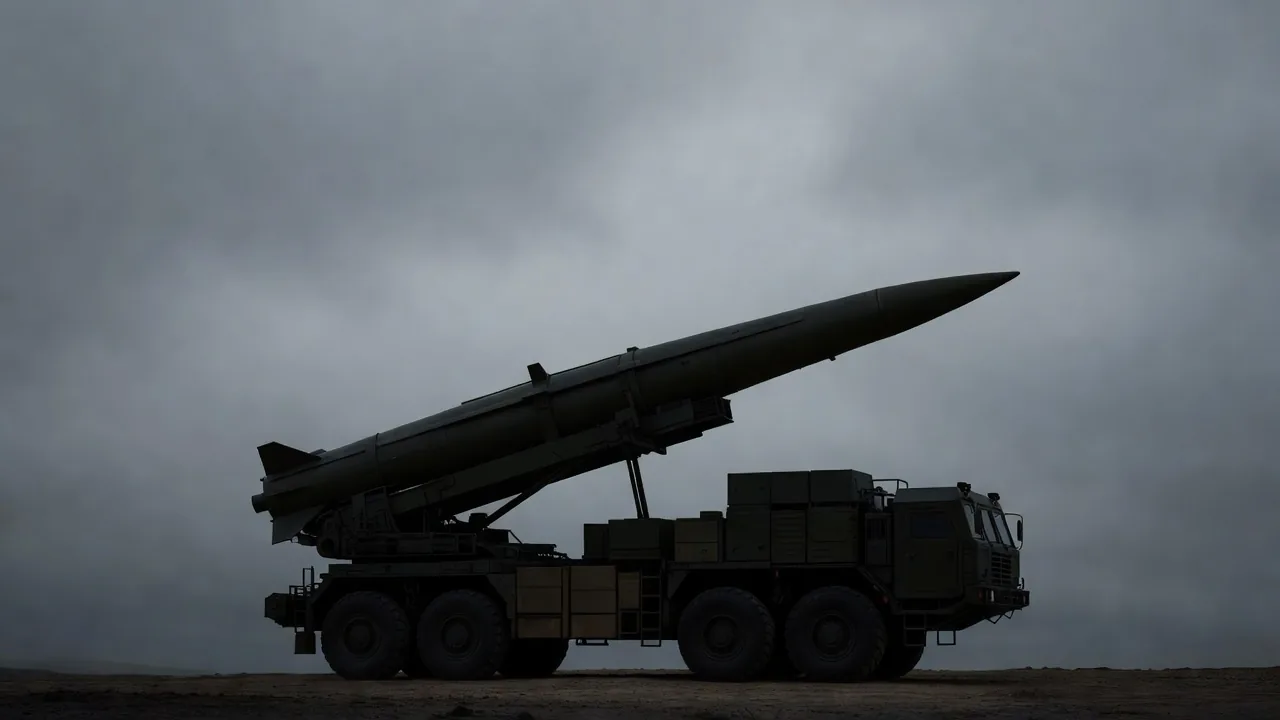
North Korea’s threat is not singular. The first layer consists of nuclear and ballistic missiles, ranging from intercontinental ballistic missiles (ICBMs) to short-range and tactical systems aimed at South Korea, while pursuing warhead miniaturization. The second is conventional forces, with long-range artillery that keeps the Seoul metropolitan area within striking distance. The third is cyber, with hacking operations aimed at generating foreign currency and stealing information reported on a regular basis. In short, it is a composite threat spanning military, economic, and informational domains.
Changes in 2026
Recently, North Korea has shifted emphasis toward inexpensive, mass-deployable “tactical” weapons. It has been testing modular launchers and tactical cruise missiles, enhancing their practical utility for direct targeting of South Korea. Compounding this is the controversy over a potential defense gap on the peninsula after the United States diverted some THAAD interceptors from U.S. Forces Korea to the Middle East, further heightening the weight of the threat.
Outlook and Implications
In the short term, repeated cycles of testing and threats are more likely than an all-out provocation. However, with inter-Korean dialogue channels closed, the risk that an accidental incident could escalate into a crisis is higher than usual. South Korea faces simultaneous tasks: maintaining a robust defense posture, managing the U.S.-ROK alliance, and restoring minimal channels of communication for crisis management.
Deadlock in Denuclearization Negotiations
Despite past U.S.-North Korea summits, denuclearization agreements have ultimately failed to materialize. North Korea demands a “step-by-step, simultaneous” approach predicated on sanctions relief and regime guarantees, while the United States has consistently emphasized “denuclearization first.” This fundamental distrust and divergence of positions has repeatedly derailed talks. With dialogue channels now closed, finding a breakthrough has become even more difficult.
Frequently Asked Questions
Q. Why won’t North Korea give up its nuclear weapons?
Because it views them as the “ultimate guarantee” of regime survival. The Libya precedent has reinforced the perception that denuclearization equals regime collapse.
Q. What is the most realistic threat?
Alongside strategic systems like ICBMs, long-range artillery and short-range/tactical missiles aimed at the Seoul metropolitan area are considered the most immediate threats.
Q. When do provocations usually occur?
Provocations aimed at enhancing negotiating leverage and internal cohesion tend to cluster around periods of U.S.-ROK joint exercises or key North Korean political events. The timing itself serves as a message.
Personally, I believe the core variable in the North Korean threat is not the weapons themselves but the “closed dialogue.” Deterrence is essential, yet deterrence without channels of communication carries the danger that even a minor miscalculation could ignite a major conflagration.