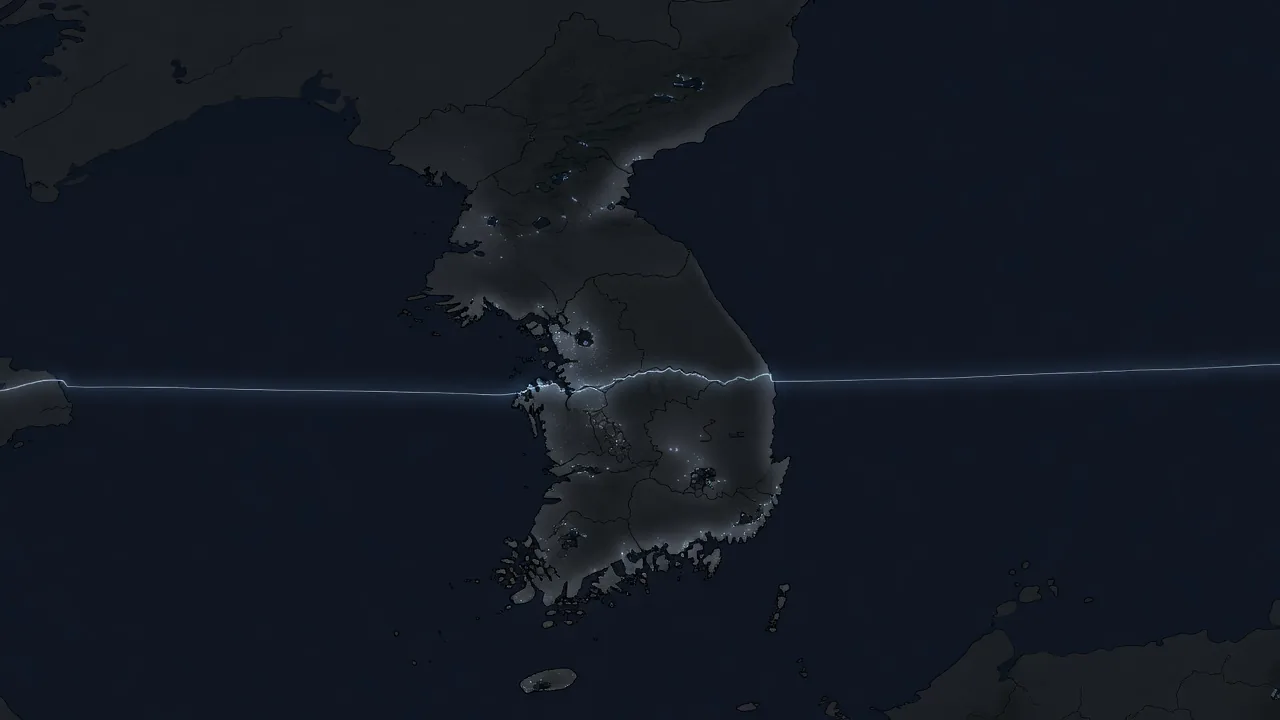
The security situation on the Korean Peninsula in 2026 can be summarized as an “arms race without dialogue.” North Korea continues to steadily advance its nuclear and missile capabilities, testing new artillery systems and tactical cruise missiles, while Kim Jong-un has ordered artillery units to be deployed along the border regions. Meanwhile, direct dialogue between the two Koreas remains effectively severed.
Recent Developments (May–June 2026)
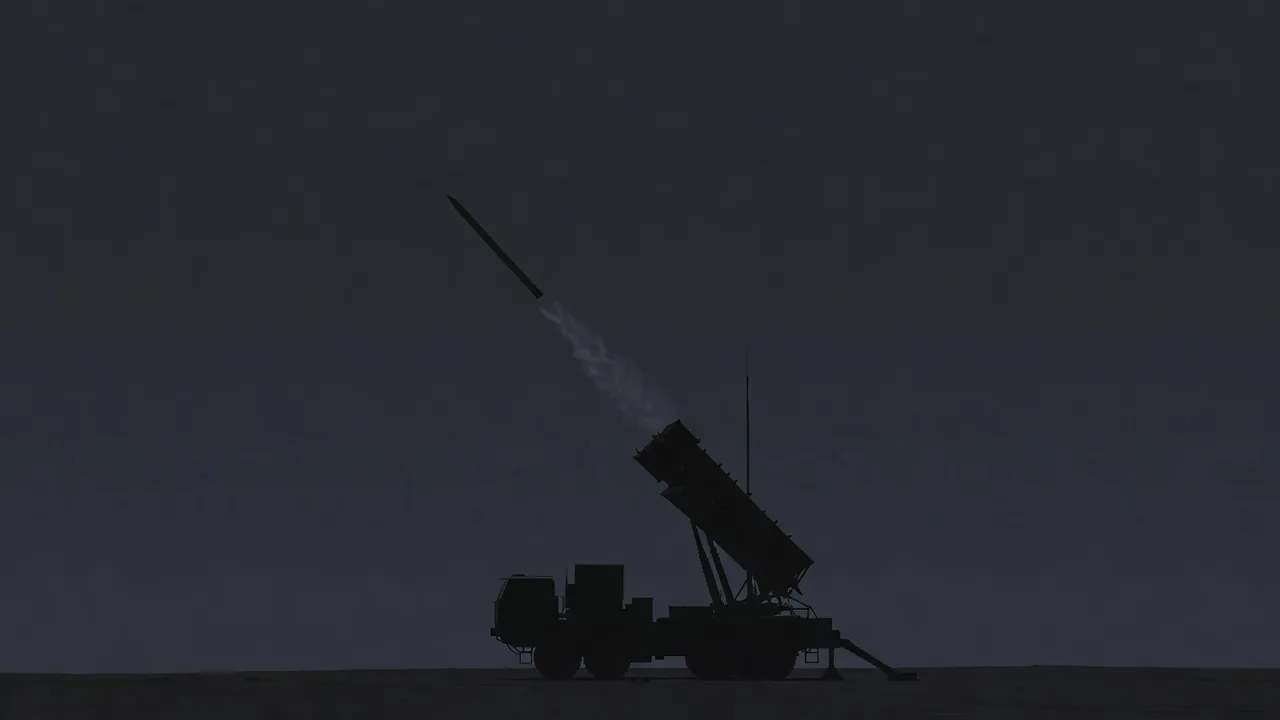
On May 26, under Kim Jong-un’s observation, tests were conducted of a modular launcher similar to HIMARS along with tactical cruise missiles, and missile-related activities continued into early June. North Korea is raising the level of threat by hinting at the possibility of nuclear warheads for these weapons, simultaneously expanding both the quantity and quality of its precision-strike capabilities.
Key Feature of This Phase — Shift Toward Tactical Weapons
Notably, North Korea is shifting its emphasis toward inexpensive, mass-deployable “tactical” weapons. Beyond showcasing strategic assets such as intercontinental ballistic missiles (ICBMs), it is refining short-range and cruise missiles aimed directly at South Korea to enhance their real-world battlefield utility. The modular launcher allows multiple rounds to be fired from a single vehicle, complicating detection and interception.
A New Variable: The THAAD Gap
Compounding the situation, reports emerged in 2026 that the United States had diverted some THAAD interceptors from U.S. Forces Korea to the Middle East theater involving Iran, creating a gap in high-altitude missile defense on the peninsula. With North Korea’s threat growing at the very moment some defensive assets were removed, calls within South Korea for bolstering independent defense capabilities and renewed U.S.-ROK consultations have resurfaced.
Outlook and Implications
In the short term, a cycle of “repeated tests and threats” is more likely than a major military clash. However, with dialogue channels closed, the risk that an accidental incident could escalate into a crisis is higher than usual. For South Korea, the challenge lies in maintaining a robust defense posture while managing the dangers posed by the absence of communication.
Calculations of Neighboring Powers
The North Korean nuclear issue is not South Korea’s alone. The United States seeks to address it through extended deterrence and trilateral cooperation with South Korea and Japan, while China remains cautious about pressuring Pyongyang under the banner of peninsula stability. Japan uses the missile threat as justification for strengthening its own defense capabilities. As each country’s strategic calculations diverge, the North Korea problem sits within a complex multilateral equation rather than a single, straightforward solution.
Frequently Asked Questions
Q. Why is North Korea focusing on tactical weapons?
Compared with strategic systems, tactical weapons cost less and can be fielded in greater numbers, offering higher “real-combat utility” aimed directly at South Korea. Adding the possibility of nuclear payloads appears intended to increase the effectiveness of the threat.
Q. Why is the diversion of THAAD interceptors a problem?
At a time when the North Korean threat is growing, the removal of some high-altitude defense assets from the peninsula to the Middle East has sparked debate over a resulting defense gap.
Personally, I believe the greatest danger on the Korean Peninsula right now is not the missiles themselves, but the “absence of dialogue.” An arms race conducted with closed channels can turn even minor misunderstandings into major crises.