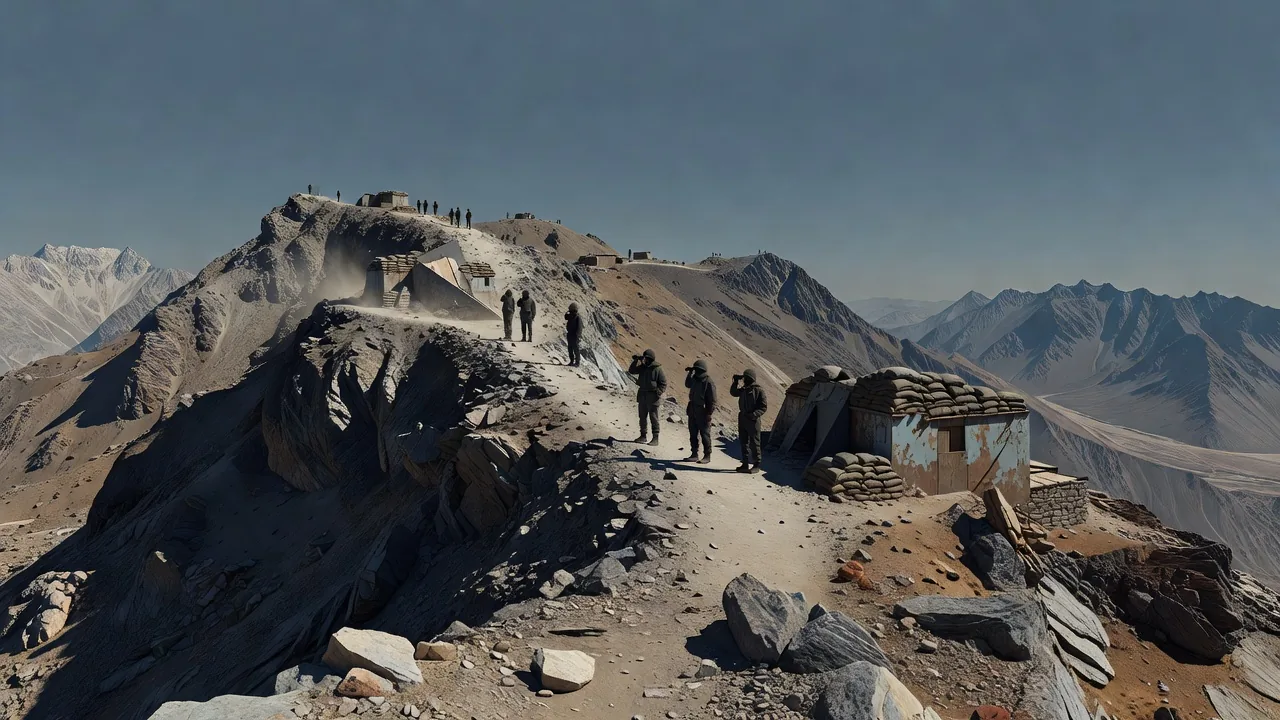
India and China, the world’s first- and second-most populous nations and nuclear powers, have long-standing territorial disputes along the Line of Actual Control (LAC) in the Himalayas. The conflict reached its peak with the deadly clash in the Galwan Valley in 2020. Although a 2024 patrol agreement led to partial troop withdrawals and some normalization, the two armies remain deployed against each other in areas such as Ladakh, and the core dispute is still unresolved.
Recent Developments (2026)
There have been no reports of large-scale armed clashes in the past month, and both sides have maintained a diplomatic dialogue. They are managing tensions through summit meetings and special representative talks. However, “dialogue” does not mean “resolution.” The agreements serve only as a “management mechanism” to prevent clashes; fundamental differences over territorial sovereignty remain unchanged.
The Structure of the Dispute — Managed Tension
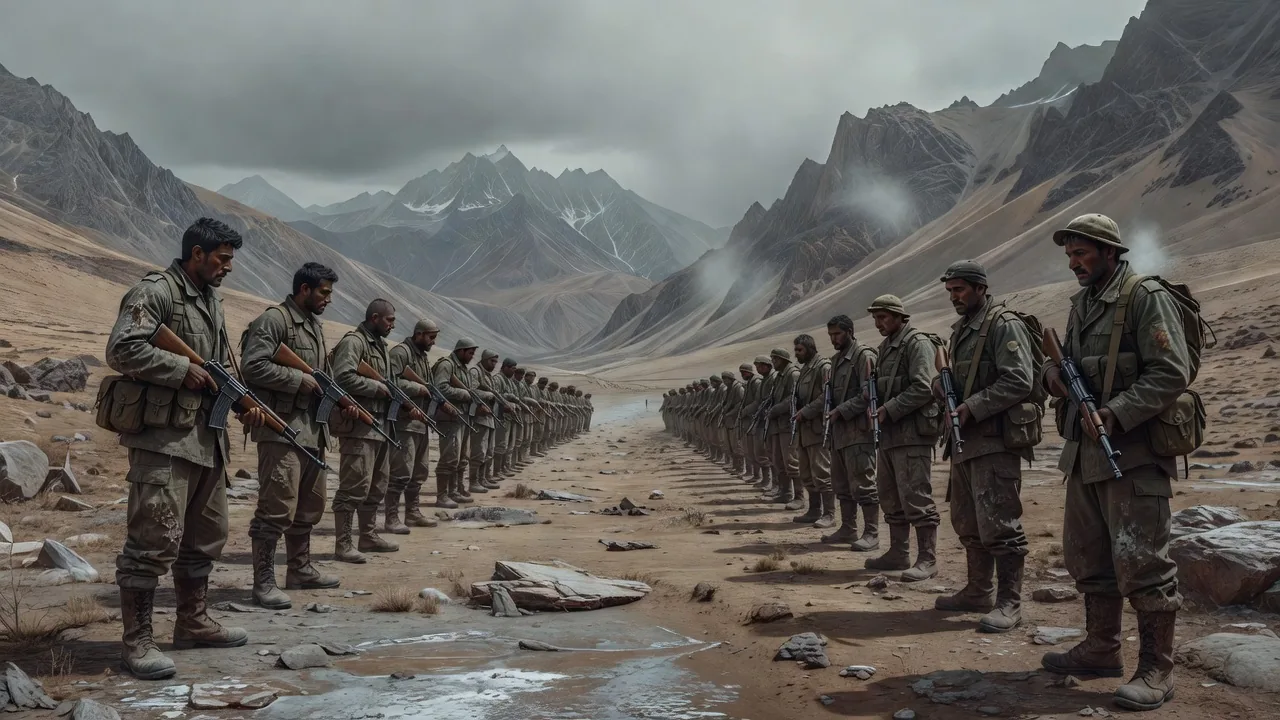
The LAC is not a clearly demarcated border but a “control line perceived differently by each side.” Consequently, overlapping patrol routes can trigger accidental confrontations at any time. Both countries recognize the enormous cost of a full-scale war and therefore choose to “manage” clashes, yet they continue to compete in building roads, bases, and other border infrastructure. This long-term standoff—neither fighting nor retreating—defines the essence of the dispute.
Outlook and Implications for Korea
In the short term, the likelihood of all-out war remains low, and “managed tension” is expected to continue. While the direct security impact on Korea is limited, India’s deepening cooperation with the United States, Japan, and Australia (the Quad) to counterbalance China is reshaping the Indo-Pacific strategic landscape. In addition, as global supply chains are reorganized, India’s emergence as an alternative production base to China presents both opportunities and variables for Korean companies.
The Quad and Indo-Pacific Variables
The border standoff is not merely a bilateral issue. To contain China, India is strengthening cooperation with the United States, Japan, and Australia through the Quad, while simultaneously rising as a “production base to replace China” amid global supply-chain shifts. This development creates both opportunities and variables for Korean firms. As India solidifies its position as a central pillar of the Indo-Pacific strategy, the Himalayan standoff becomes increasingly intertwined with the broader U.S.–China strategic competition.
Frequently Asked Questions
Q. Did the 2024 agreement end the dispute?
No. The agreement covers only patrol arrangements and withdrawals in certain sectors; the fundamental territorial dispute over sovereignty remains unresolved.
Q. Why has the conflict not escalated into full-scale war?
Both sides are nuclear powers, and the cost of war would be enormous. They have therefore chosen to “manage” clashes instead.
Q. Does this pose a direct threat to Korea?
There is little direct military threat, but changes in the Indo-Pacific strategic landscape and global supply-chain realignment indirectly affect Korea’s economy and diplomacy. India’s rise is both an opportunity and a new competitive variable.
Personally, I see the core of this dispute as less about the border line itself and more about the pride and strategic rivalry of two major powers. The standoff in the Himalayas is a microcosm of the larger Indo-Pacific strategic dynamic.