Gold price outlook, by conventional wisdom, should see gold soaring right now. The US and Iran are at war, the Strait of Hormuz is blocked, and inflation is boiling again. No better catalyst for gold, the quintessential safe-haven asset. Yet reality points the other way. On the day news broke of the US military’s second-day strike on Iran in June 2026, gold instead fell below $4,100 per ounce, hitting its lowest level since last November. War, yet gold declines — resolving this paradox is key to understanding the gold price outlook ahead.
- As of June 11, international spot gold trades in the low $4,000s per ounce. Rather than rising amid escalating conflict, it has fallen to its lowest range since last November.
- Domestic gold prices sit around 210,000 won per gram, or roughly 820,000 won per don (3.75 g).
- Why gold fell despite war — dollar strength and fading expectations for US rate cuts. Gold tends to move inversely to the dollar and real yields.
- Still, medium- to long-term bullish views remain intact. J.P. Morgan sees $6,000 by year-end, Goldman Sachs $5,400, and UBS $5,600–5,900.
- A structural support comes from central-bank buying. Between 2021 and 2025, central banks purchased an average of roughly 225 tonnes per quarter.
- For Korean investors, the won–dollar exchange rate adds another variable that can partly offset declines in the dollar price of gold.
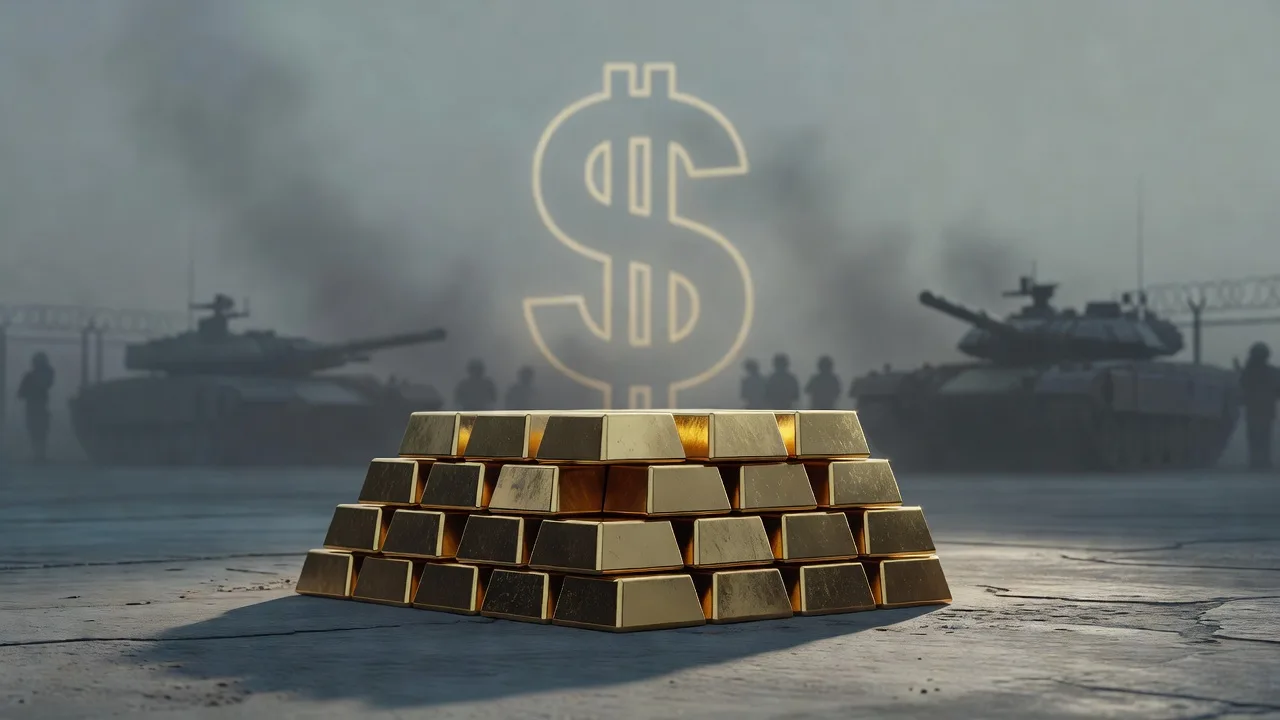
Gold price outlook — why gold fell amid war
Gold is often called the “asset of fear,” yet price moves are not driven by fear alone. Two stronger forces are the dollar and real yields. Because gold pays no interest, a stronger dollar and higher real rates reduce its appeal. The June 2026 paradox is explained here: heightened geopolitical tensions channeled safe-haven demand into the dollar, pushing it higher, while solid employment data tempered expectations for rate cuts. The result was that one safe asset, the dollar, weighed on another, gold. This mechanism is central to the near-term gold price outlook.
Where gold stands now — by the numbers
International spot gold trades in the low $4,000s per ounce as of June 11, after pulling back from this year’s record high. Domestically, that translates to roughly 210,000 won per gram, or about 820,000 won per don. Real-time price updates are available at the gold market page. A deeper look at the same paradox appears in the Iconomy·Atomic Economics post gold price outlook — why gold fell during the Iran conflict.
Downward pressures — dollar strength, elevated real yields, hopes for de-escalation in the Middle East. Upward pressures — a shift to US rate cuts, dollar weakness, prolonged geopolitical risk, and central-bank purchases. Near-term momentum favors the downward side, yet markets are watching whether the balance tilts toward the upward side later in the year.
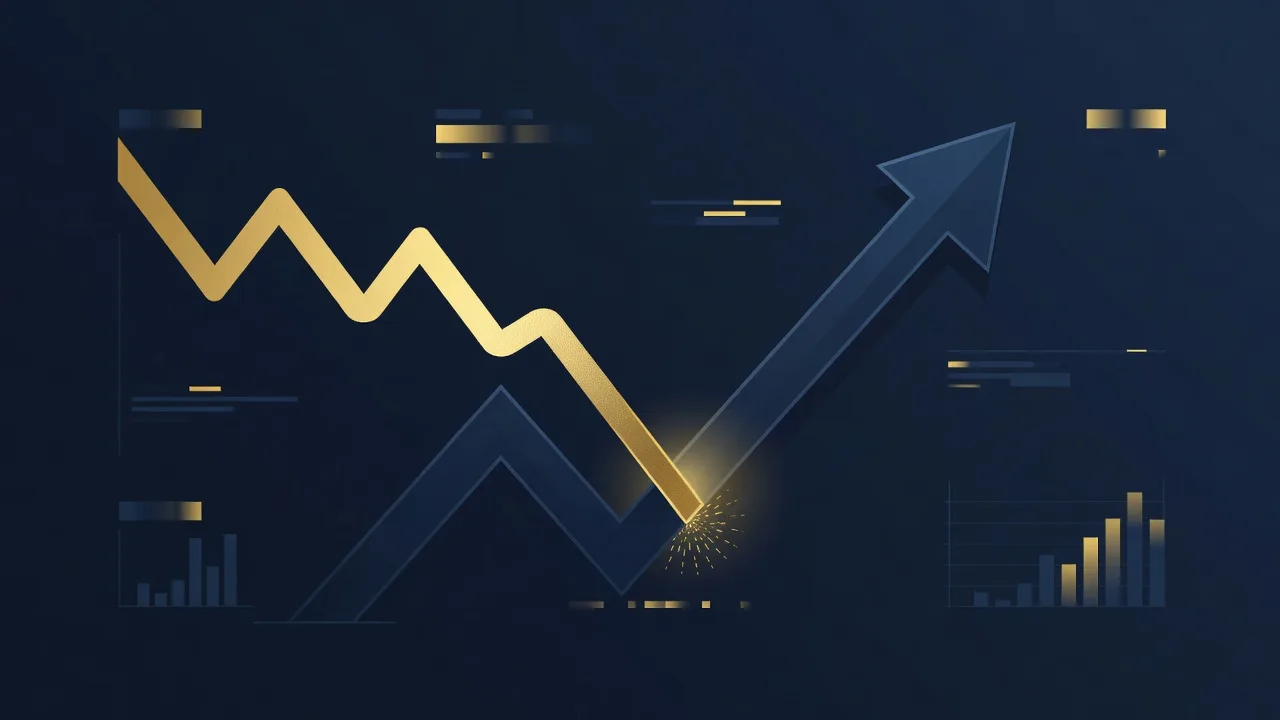
Gold price outlook — will it rise again? The case for strength
Despite the near-term softness, major banks have actually raised their medium- to long-term forecasts. J.P. Morgan sees gold reaching $6,000 per ounce by the end of 2026 and leaves open the possibility of $6,300 in 2027. Goldman Sachs targets $5,400 by year-end, while UBS looks for $5,600–5,900. Relative to current levels around $4,000, these projections imply meaningful further upside. The foundations of that view lie in two structural drivers.
Central banks keep buying
The most durable support comes from central-bank purchases. From 2021 through 2025, global central banks bought an average of roughly 225 tonnes per quarter. This reflects efforts to reduce dollar dependence and diversify geopolitical risk. The buying has been steady regardless of short-term price swings and helps underpin the floor for gold. The broader shift away from dollar dominance and toward gold is examined in the waning dominance of the dollar and the rise of gold, while gold’s role amid geopolitical tension is discussed in the gold–silver alliance in the currency wars.
The Fed holds the key
The trigger for renewed strength remains the Federal Reserve. A pivot to rate cuts that lowers real yields would enhance gold’s relative appeal as a non-yielding asset. For now, however, the Fed is holding back because of inflation risks tied to higher oil prices. This dynamic is outlined in the Fed is fighting Hormuz, not just inflation, while the conflict cycle itself is summarized in US–Iran clash: strike–warning cycle. Ultimately, gold’s next major move hinges on when the Fed begins to ease.
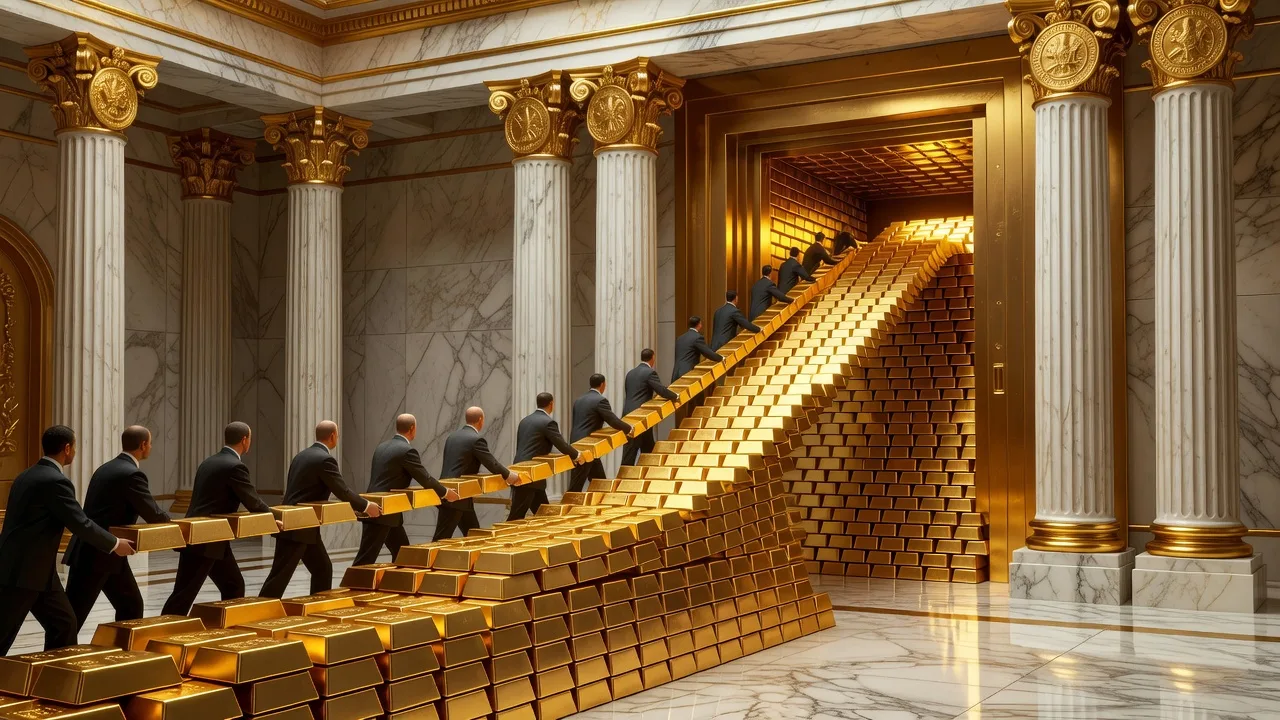
Gold price outlook scenarios — three possible paths
Because near-term variables (dollar and yields) and structural factors (central banks and de-dollarization) point in different directions, three broad scenarios can be considered.
A. Sideways then renewed rise (probability: medium-high)
Once dollar strength moderates and the Fed shifts to cuts in the second half, gold could complete its correction and resume its uptrend. The banks’ $5,000-plus targets align with this path.
B. Further correction (probability: medium-low)
If dollar strength and high real yields persist and Middle East tensions ease, gold could face another leg lower, though central-bank buying would likely limit the decline.
C. Sharp spike (probability: low, tail risk)
A full Hormuz blockade or major financial shock could trigger a rapid surge in safe-haven demand for gold. The odds are low, but the impact would be large.
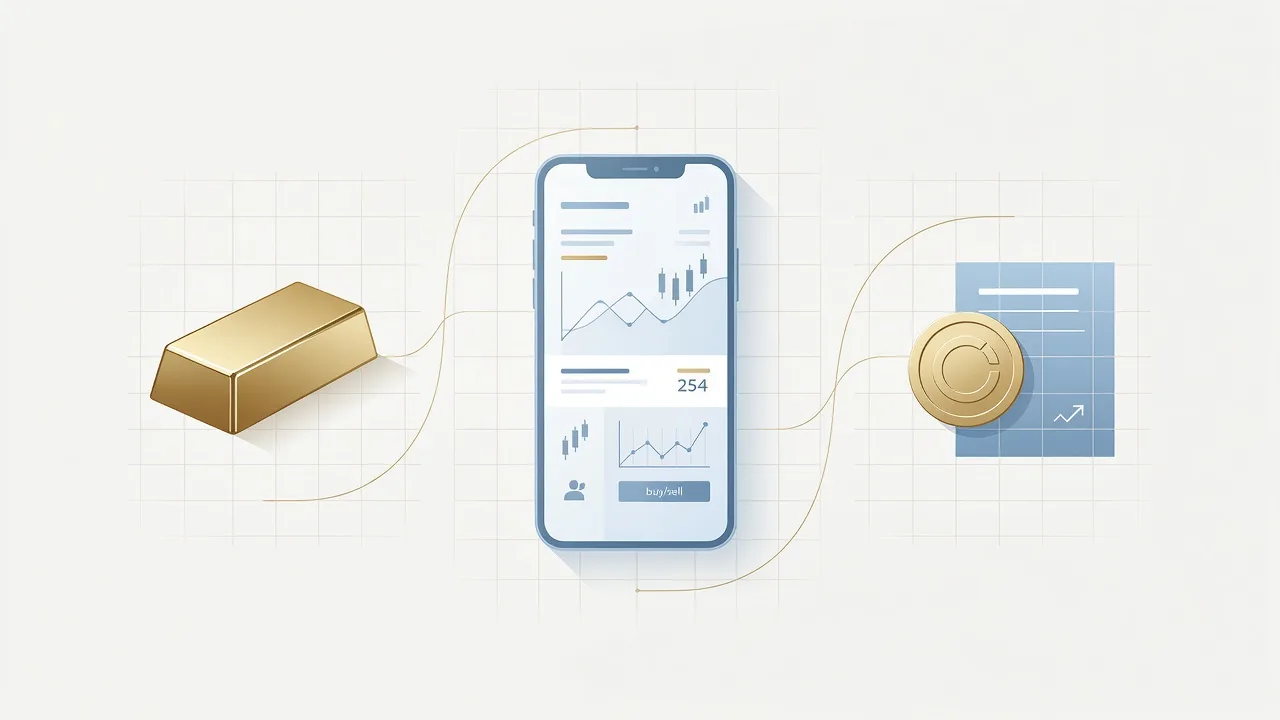
Gold price outlook and Korean investors — what to watch
Korean investors face one additional variable: the won–dollar exchange rate. Even if the international gold price falls in dollar terms, a weaker won can cushion or even reverse the decline in domestic prices. In other words, the “international quote” and “the gold price in your account” can diverge. Therefore, both the dollar price of gold and the exchange rate should be monitored together. Practical comparisons for beginners appear in the post five ways to start gold investing. Those also weighing tax-advantaged accounts may find ISA accounts with up to 2 million won tax-free and youth future savings with 12 % government contribution useful. Step-by-step guidance on physical purchases is provided in following the purchase process for gold and silver.
This post provides general information on gold and safe-haven flows and does not constitute investment advice or a recommendation to buy or sell any specific product. Price levels, exchange rates, and forecasts are based on conditions at the time of writing and are subject to change. Investment decisions and responsibility rest with the reader.
📚 Sources
- J.P. Morgan — 2026·2027 gold price outlook
- Trading Economics — international gold prices
- KB — 2026 gold and silver price outlook
Frequently asked questions (FAQ)
Near-term and medium-term views diverge. As of June, dollar strength and fading rate-cut expectations have pulled prices back to the low $4,000s. At the same time, J.P. Morgan ($6,000), Goldman Sachs ($5,400), and UBS ($5,600–5,900) project strength by year-end. The key variable remains the timing of any Fed easing.
Stronger forces than geopolitics are the dollar and real yields. Escalating tensions funneled safe-haven flows into the dollar, strengthening it, while solid jobs data reduced the odds of near-term rate cuts. Non-yielding gold tends to struggle when the dollar is firm and real rates are high, which explains the short-term decline despite geopolitical risk.
It is difficult to recommend purchases at any single moment. That said, the structural demand from central banks (averaging roughly 225 tonnes per quarter) provides a floor, and a Fed pivot to cuts could revive upward momentum. Investors should apply their own rules on currency exposure and staggered buying.
The won–dollar exchange rate is the reason. Because the international price is quoted in dollars, a weaker won can limit or reverse any decline when translated into domestic currency. Korean investors therefore need to watch both the dollar price of gold and the exchange rate.
Options include the KRX gold market (traded like stocks, allows small amounts), gold ETFs, physical gold bars, and bank gold savings accounts. Each differs in tax treatment, fees, and storage, so the choice should match individual objectives. Beginners often start with smaller, staggered purchases.